Understanding Actuators: Types, Applications, and Selection
In modern manufacturing and robotics, an actuator is the component that converts energy into motion. Whether a system needs to lift a heavy load, position a valve, or drive a robotic arm, the actuator is the mechanical heart that makes it happen. By selecting the right actuator, engineers can improve efficiency, reduce wear, and achieve precise control across a wide range of industrial applications.
What Is an Actuator?
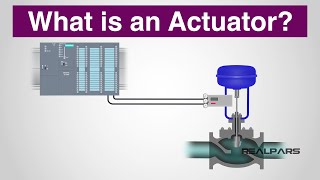
An actuator is a device that produces linear or rotary movement in response to an input signal. The input can be electrical, hydraulic, pneumatic, or even thermal, and the output is typically a controlled force or displacement. Actuators are integral to industrial automation because they bridge the gap between digital commands from a programmable logic controller (PLC) and physical actions on the shop floor.
Common Types of Actuators
Pneumatic Actuators
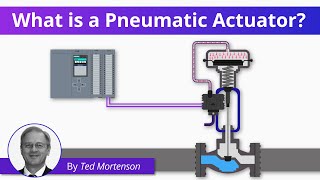
Pneumatic actuators use compressed air to generate motion. They are prized for their simplicity, fast response time, and safety in explosive environments. Typical applications include material handling, packaging machines, and valve control. Because air is readily available in most factories, pneumatic systems often have lower installation costs than hydraulic alternatives.
Hydraulic Actuators
Hydraulic actuators rely on pressurized fluid to produce high force output. They excel in heavy‑duty tasks such as lifting presses, crane mechanisms, and metal forming equipment. While hydraulic systems can be more complex and require regular maintenance of seals and fluid, their ability to deliver large torque at low speeds makes them indispensable for many high‑load operations.
Electric Actuators
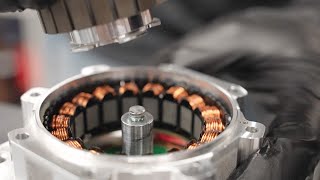
Electric actuators convert electrical energy into motion using motors, such as stepper, servo, or brushless DC types. They provide precise position control, high repeatability, and easy integration with digital control systems. Industries that demand tight accuracy—like semiconductor assembly, medical device manufacturing, and robotic machining—often prefer electric actuators for their clean operation and minimal leakage risk.
How Actuators Work in Industrial Automation
When a PLC sends a command, the actuator receives a signal—typically a voltage or current level—through a wiring harness or fieldbus network. The actuator’s internal controller interprets this signal and activates the appropriate energy source. For example, a servo cylinder (a linear actuator with built‑in feedback) can adjust its position based on real‑time data, ensuring that the motion remains within specified tolerances.
Integration with sensors and feedback devices enables closed‑loop control, where the system continuously monitors position, speed, and force. This feedback loop is essential for applications like robotic arms, where precise coordination between multiple actu