Amphibians Reptiles Mammals Birds Fish: A Kid‑Friendly Guide to Vertebrate Classes
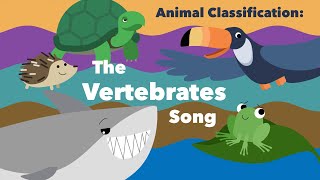
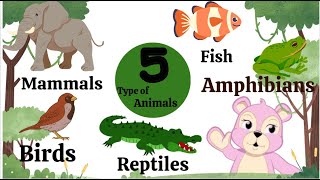
Welcome to our exploration of the Animal Kingdom, where we dive into the fascinating world of animal classifications! Kids often hear the words amphibians, reptiles, mammals, birds, and fish but may wonder how these groups differ and what they have in common. This article explains each of the five vertebrate classes, shares a catchy animal song, and offers a quick quiz to help young learners remember the key features of each group.
Why Vertebrates Matter
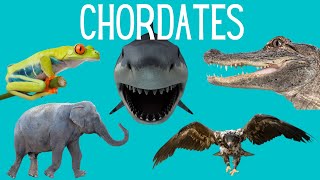
All animals that have a backbone belong to the phylum Chordata. Within this phylum, scientists divide the living creatures into five main groups, also called classes. The common thread that links fishes, lions, monkeys, and humans is their backbone, which provides support and protects the spinal cord. Understanding these classes helps children see the connections between very different animals.
1. Fish: The First Vertebrates
Fish are the oldest vertebrate class, thriving in water since the Cambrian period. They have gills for breathing, scales that reduce friction, and usually fins for swimming.
- Habitat: Freshwater lakes, rivers, and oceans.
- Key Traits: Gills, ectothermic (cold‑blooded), and lay eggs.
- Examples: Goldfish, salmon, shark, and seahorse.
2. Amphibians: Life Between Water and Land
Amphibians start life in water, breathing through gills, then develop lungs to live on land. Their skin is moist and can absorb oxygen, which is why they need damp environments.
- Habitat: Wetlands, ponds, and humid forests.
- Key Traits: Metamorphosis (egg → larva → adult), dual life stages, and typically lay soft‑gelatinous eggs.
- Examples: Frogs, salamanders, and newts.
3. Reptiles: The Scaled Survivors
Reptiles are adapted to dry habitats. Their dry, scaly skin prevents water loss, and they lay leathery eggs on land.
- Habitat: Deserts, forests, and grasslands.
- Key Traits: Ectothermic, keratinized scales, and internal fertilization.
- Examples: Turtles, snakes, lizards, and crocodiles.
4. Birds: The Feathered Flyers
Birds are the only vertebrates with feathers. Their lightweight skeletons and powerful flight muscles enable them to soar across the sky.
- Habitat: Almost every ecosystem on Earth.
- Key Traits: Feathers, beaks without teeth, and lay hard‑shelled eggs.
- Examples: