Anchor Chart Close Reading: A Practical Guide for Teachers
In today’s literacy‑focused classrooms, anchor chart close reading has become a go‑to strategy for helping students dissect complex texts. By pairing the visual support of an anchor chart with the systematic rigor of close reading, teachers create a shared reference point that guides students through multiple layers of meaning. This article explains what anchor chart close reading is, outlines a three‑step process, and offers concrete tips for co‑constructing effective charts that meet Common Core standards.
What Is Anchor Chart Close Reading?
An anchor chart is a large, student‑created visual that records key strategies, vocabulary, or thinking steps on a wall where everyone can see it. When the chart is designed specifically for close reading—the practice of reading a short passage multiple times with focused questions—it becomes a living tool that reminds students of the analytical moves they need to make. The chart “anchors” the process, allowing learners to refer back to the steps without constantly asking the teacher for guidance.
The Critical Role of Co‑Construction
Research shows that students retain information better when they help build the learning resource. In an anchor chart close reading lesson, the teacher and students co‑construct the chart by:
- Identifying the text’s genre and purpose.
- Listing the specific close‑reading questions (e.g., “What does the author imply?”).
- Adding visual cues such as arrows, symbols, or color‑coded sections.
- Recording evidence from the text directly on the chart.
This collaborative approach not only reinforces the strategy but also fosters a sense of ownership, encouraging students to refer to the chart independently.
A Three‑Step Process for Students
Effective close reading with an anchor chart typically follows a three‑step sequence, each reinforced by the chart’s visual prompts:
- First Reading – Get the Gist: Students read the passage silently or aloud, then use the chart’s “Big Idea” box to jot a quick summary.
- Second Reading – Analyze Details: Guided by the chart’s question prompts, learners reread the text, highlighting evidence, noting literary devices, and filling in the “Evidence” column.
- Third Reading – Synthesize and Evaluate: Students answer higher‑order questions on the chart, such as “How does the author’s word choice affect tone?” and then write a brief response that connects their findings.
Each step is visualized on the anchor chart, allowing students to track their progress and see how their thinking evolves.
Connecting to the Common Core
Common Core State Standards (CCSS) emphasize close textual analysis, evidence‑based claims, and academic language—all of which are embedded in the anchor chart close reading framework. For example, CCSS.ELA‑LITERACY.RL.5.2 requires students to “determine a theme of a story, drama, or poem” and “support it with textual evidence.” The anchor chart provides a ready‑made template for recording that evidence, ensuring students meet the standard while practicing a consistent routine.
Modeling the Strategy: A Vlog Example
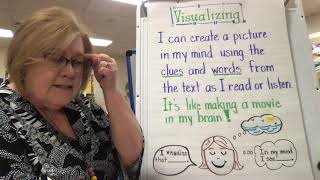
English teacher Sharon Alvarado, featured in the #vibeboards1 #thevibeboard vlog, demonstrates a favorite way to teach anchor chart close reading. In her video