Are Ulysses And Odysseus The Same Character?
When scholars, readers, and film lovers ask whether Ulysses and Odysseus are the same figure, the answer is rooted in the evolution of Greek mythology into Roman culture and modern storytelling. Both names point to a single legendary hero whose adventures are recorded in Homer’s epic The Odyssey and later retold in Roman literature, film adaptations, and contemporary reinterpretations.
Homeric Odysseus: The Original Hero
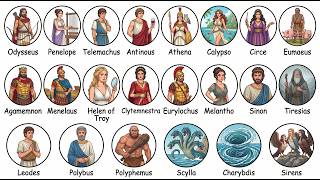
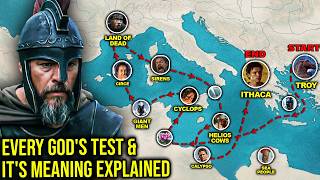
In Homer’s Odyssey, written around the 8th century BCE, Odysseus is the cunning king of Ithaca, famed for his intellect, bravery, and stubbornness. The epic follows his ten‑year struggle to return home after the Trojan War, encountering cyclopes, sirens, and the wrath of the sea‑god Poseidon. Homer portrays Odysseus as a complex character—both a hero and a flawed man whose hubris sometimes endangers his crew.
Key Traits of Homeric Odysseus
- Intelligence and Deception: He devises the Trojan Horse, outwits the Cyclops Polyphemus, and tricks the suitors upon his return.
- Leadership: Despite losing his men, he remains the central decision‑maker, guiding his crew through peril.
- Human Vulnerability: He fears death, loves his family, and is susceptible to temptation.
Roman Ulysses: The Mythic Adaptation
In Roman literature, particularly in the works of Virgil’s Aeneid and Ovid’s Metamorphoses, the hero’s name transforms to Ulysses. The Romans adopted Greek myths, reshaping them to fit their own cultural narratives. Ulysses retains many of Odysseus’s attributes but is often portrayed with a more polished, stoic demeanor, reflecting Roman values of duty and discipline.
Differences Between Odysseus and Ulysses
- Name Origin: “Odysseus” is Greek, while “Ulysses” is Latin, reflecting the Romans’ adaptation of Greek stories.
- Character Focus: Romans emphasize Ulysses’s strategic mind and moral restraint, whereas Homer’s Odysseus is more impulsive.
- Narrative Context: Ulysses often appears in stories that serve Roman political ideals, such as