Argentina to Cape Verde by Ship: What Travelers Need to Know After Recent Health Incident
In recent weeks a passenger vessel travelling from Argentina to Cape Verde made headlines after a suspected hantavirus outbreak was reported on board. The ship, which was reportedly carrying more than 150 passengers, became the focus of international health authorities when three people died and several others fell ill. This article provides a factual overview of the incident, explains what hantavirus is, and offers practical advice for anyone planning a maritime journey between South America and the Atlantic islands.
Overview of the Voyage
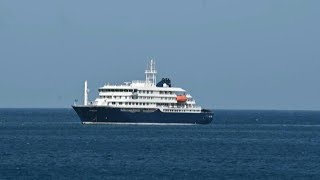
The vessel departed from the port of Buenos Aires with a mixed passenger manifest that included tourists, expatriates, and crew members. According to official statements, the ship was scheduled to make a direct crossing to the archipelago of Cape Verde, a journey that typically takes between 10 and 12 days depending on sea conditions. The passenger count exceeded 150, a figure that prompted additional scrutiny from both Argentine and Cape Verdean health ministries.
What Is Hantavirus?
Hantavirus is a group of viruses carried by rodents and transmitted to humans through inhalation of aerosolised droppings, urine, or saliva. In most cases, infection can lead to hemorrhagic fever with renal syndrome or hantavirus pulmonary syndrome, both of which can be severe and occasionally fatal. The virus is not spread from person to person, but close quarters—such as those found on a ship—can increase the risk of exposure if rodent control measures are insufficient.
Details of the Outbreak
- Three passengers died after developing severe respiratory symptoms.
- Three additional passengers reported symptoms consistent with hantavirus infection and were taken to medical facilities upon arrival in Cape Verde.
- Two individuals were evacuated in serious condition for advanced treatment, reflecting the seriousness with which local authorities treated the situation.
Health officials from both countries confirmed that the outbreak was suspected, not yet definitively proven, pending laboratory analysis of the patients' samples. In the meantime, the ship was placed under quarantine, and all passengers were screened for signs of illness.
Response from Authorities
Both Argentine and Cape Verdean governments activated emergency protocols:
- Quarantine Measures: The vessel was isolated at the port of Mindelo, Cape Verde, until the health status of all aboard could be verified.
- Medical Evacuations: Two critically ill passengers were transferred to specialized hospitals equipped to handle respiratory infections.
- Investigation: A joint task force was formed to assess potential sources of rodent contamination and to review the ship’s sanitation practices.