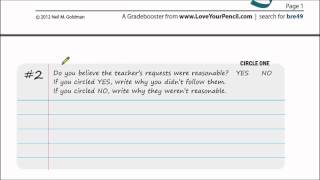
What Is a Behavior Reflection Sheet?
A Behavior Reflection Sheet is a simple, printable or digital form that guides students to look back on a specific incident, describe what happened, and consider how they could respond differently next time. It is often used after a child gets into trouble, helping them move from a moment of conflict to a moment of insight and responsibility.
Why Students Need Reflection
When a child experiences a strong emotion—anger, frustration, or disappointment—those feelings can overwhelm their ability to think clearly. By using a reflection sheet, teachers give students a structured way to:
- Identify the trigger and their own role.
- Articulate the impact of their actions on classmates.
- Plan concrete steps for better choices.
These steps build respect, self‑regulation, and a growth mindset, which are essential for success in kindergarten through middle school.
Key Components of an Effective Sheet
While many templates exist, the most successful sheets contain the following elements:
- Incident Details – Date, time, and a brief description of what happened.
- Feelings Check – A prompt such as “How did I feel?” encouraging students to label emotions.
- Responsibility Prompt – Questions like “What did I do?” and “What could I have done differently?”
- Future Plan – A space to write one or two specific actions for the next similar situation.
- Teacher Feedback – A short section where the teacher can acknowledge effort and suggest next steps.
How to Introduce the Sheet in the Classroom
Introducing the tool at the right moment is crucial. Follow these three steps for a smooth rollout:
- Model the Process: Demonstrate the sheet with a fictional scenario so students see how to fill it out.
- Practice Regularly: Use short, low‑stakes incidents first, then move to more serious situations as confidence grows.
- Celebrate Success: Highlight completed sheets on a “Reflection Wall” to reinforce positive behavior.
Using the Sheet for Escalating Situations
When a child’s behavior is moving toward escalation, a quick “mini‑reflection” can de‑escalate the moment. Here’s a rapid three‑step version:
- Pause & Breathe – Ask the student to take a deep breath.
- One‑Sentence Summary – Have them write a single line describing what just happened.
- One Action – Prompt them to choose one small change they could make right now.
For more detailed reflection after the incident, use the full sheet. This two‑tiered approach keeps the process manageable even during high‑energy moments.
Digital Options and Ready‑Made Templates
Many teachers prefer digital versions because they are easy to store, edit, and share with