Bosnia and Herzegovina: One Nation, Many Voices
Bosnia and Herzegovina is often described as the “Belgium of the Balkans” – a country that balances diverse cultures, languages, and histories under a single flag. While the political landscape is complex, the reality is that Bosnia and Herzegovina remain one sovereign state, united by its constitution, shared institutions, and a commitment to democratic governance.
The Constitutional Framework
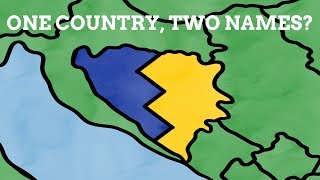
The 1995 Dayton Agreement established the current structure of Bosnia and Herzegovina, creating two main entities: the Federation of Bosnia and Herzegovina (predominantly Bosniak and Croat) and Republika Srpska (predominantly Serb). Despite the division, both entities operate under the same national constitution, share a central government, and are represented in the Presidency and the Parliamentary Assembly.
- Central Government: Handles foreign policy, defense, and monetary affairs.
- Entity Governments: Manage education, health, and local infrastructure.
- International Oversight: The Office of the High Representative monitors compliance with the peace agreement.
Political Tensions and Calls for Separation
Recent statements from Bosnian Serb leader Milorad Dodik have reignited fears of a potential breakup. Dodik has advocated for greater autonomy for Republika Srpska and, in some speeches, hinted at a future split. However, such proposals face significant legal and political hurdles. The international community, including the European Union, has consistently warned against actions that could destabilize the region.
Key points to consider:
- Legal Constraints: Any move toward separation would require constitutional amendments, a complex process with no guarantee of approval.
- European Safeguards: The EU’s partnership agreements with Bosnia and Herzegovina emphasize the importance of maintaining territorial integrity.
- Public Opinion: Surveys indicate a majority of citizens favor maintaining the country’s unity, valuing shared history and economic cooperation.
Cultural Unity in Diversity
One of Bosnia and Herzegovina’s most celebrated attributes is its cultural mosaic. From the medieval architecture of Mostar to the vibrant music scene in Sarajevo, the country showcases a blend of Bosniak, Serb, and Croat traditions. This diversity is reflected in everyday life:
- Languages: Bosnian, Serbian, and Croatian are all official, used in schools, media, and public life.
- Religions: Islam, Orthod






![30 years after the war. Bosnia and Herzegovina today [DOCUMENTARY]](https://i.ytimg.com/vi/JvAuSrO8Yvs/mqdefault.jpg)
