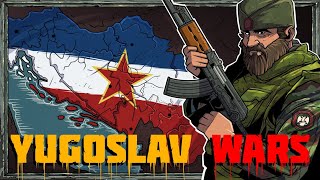
Bosnia and Herzegovina US War History: From Diplomacy to Intervention
The Bosnian War (1992‑1995) stands out as one of the most complex conflicts of the post‑Cold War era. While the fighting primarily involved Bosniaks, Croats, and Serbs, the United States played a decisive role that reshaped the outcome and set a precedent for future humanitarian interventions. This article examines the key moments of US involvement, the political calculations behind each decision, and the lasting impact on Bosnia and Herzegovina’s path to peace.
Historical Context: The Break‑up of Yugoslavia
After the death of Josip Broz Tito in 1980, the socialist federation of Yugoslavia began to unravel. Nationalist leaders in Serbia, Croatia, and Bosnia and Herzegovina pushed for greater autonomy, and by the early 1990s the country was fragmenting. In March 1992, a Serbian wedding in Sarajevo was famously interrupted by gunfire, symbolising the eruption of violence that would soon engulf the region.
International observers initially viewed the conflict as a civil war, but the scale of ethnic cleansing, mass atrocities, and the siege of Sarajevo quickly attracted global attention. The United Nations deployed peacekeepers, yet their limited mandate left civilians vulnerable.
Early US Policy: Caution and Containment
During the first year of the war, the United States adopted a cautious stance. The Clinton administration, still adjusting to post‑Cold War realities, prioritized diplomatic solutions and avoided direct military engagement. Key elements of this early policy included:
- Economic sanctions against the Federal Republic of Yugoslavia (Serbia and Montenegro) to pressure the Bosnian Serb leadership.
- Support for UN peacekeeping missions such as UNPROFOR, though the UN’s rules of engagement limited their effectiveness.
- Humanitarian aid channeled through NGOs and the International Committee of the Red Cross.
These measures reflected a broader US strategy of containment—aiming to limit the conflict’s spread without committing ground forces.
The Turning Point: NATO Air Campaigns
By 1994, reports of systematic ethnic cleansing, most notably the Srebrenica massacre, intensified domestic pressure on Washington. President Bill Clinton faced growing criticism for “inaction.” In response, the United States leveraged NATO to conduct limited air strikes against Bosnian Serb positions.
Key milestones included:
- Operation Deny Flight (1993‑1994): A NATO‑led no‑fly zone that demonstrated the alliance’s willingness to enforce airspace restrictions.
- Operation Deliberate Force (August‑December 1995): A sustained bombing campaign that targeted Bosnian Serb command‑and‑control infrastructure, significantly weakening their military capacity.
The air campaign forced Bosnian Serb leader Radovan Karadžić to the negotiating table, paving the way for a diplomatic breakthrough.







![30 years after the war. Bosnia and Herzegovina today [DOCUMENTARY]](https://i.ytimg.com/vi/JvAuSrO8Yvs/mqdefault.jpg)