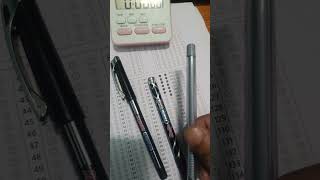
What Is a Bubble Sheet for Tests?
A bubble sheet, also known as an answer document or scan‑tron form, is a paper template used in standardized exams, classroom quizzes, and admission tests. Each question is accompanied by a row of circles (bubbles) that students fill in with a pencil or pen. The completed sheet is later read by an optical scanner, which converts the marks into digital scores almost instantly.
Why Schools and Testing Agencies Prefer Bubble Sheets
Bubble sheets offer several practical advantages:
- Speed: Scanners can process hundreds of sheets per minute, reducing grading time from days to seconds.
- Accuracy: Automated reading eliminates most human errors that occur during manual scoring.
- Standardization: All students answer in the same format, making it easier to compare results across large groups.
- Cost‑effectiveness: A single printed sheet is inexpensive, especially when printed in bulk.
How to Fill Out a Bubble Sheet Correctly
Even a small mistake can cause a scanner to misread an answer, turning a correct response into a zero. Follow these proven steps to avoid common pitfalls:
- Use the right writing instrument. Most scanners require a #2 pencil with a dark, solid core. Mechanical pencils or pens may produce faint marks that are not detected.
- Fill the bubble completely. Darken the circle evenly; avoid shading outside the bubble or leaving gaps.
- Check the alignment. Ensure the paper lies flat on the desk and that the writing stays within the printed margins.
- Erase carefully. If you need to change an answer, erase the bubble cleanly and refill it. Smudged erasures can be read as stray marks.
- Review before submitting. Double‑check every answer, especially the ones you filled in last minute.
Common Mistakes and How to Prevent Them
Students often become “bubbleheads” by making simple errors that affect their scores. Here are the top mistakes and quick fixes:
- Leaving a bubble partially filled. The scanner may interpret this as an unanswered question. Solution: Darken the entire circle.
- Marking more than one bubble for a single question. This creates an ambiguous response. Solution: Choose only one answer and erase the others completely.
- Writing outside the designated area. Extra marks can be read as extra answers. Solution: Keep your writing inside the printed borders.
- Using the wrong pencil grade. Light or colored pencils often fail to register. Solution: Stick to a standard #2 graphite pencil.
Downloading a Ready‑Made Bubble Sheet
If you need a printable form for a practice test or a classroom quiz, you can download a professional‑grade bubble sheet for just $1 at MagicScoringMachine.com. The sheet includes clear instructions, a built‑in barcode for tracking, and spacing optimized for most scanners.


![How To Make A Bubble Answer Sheet In Microsoft Word [2026 Guide]](https://i.ytimg.com/vi/UvQ2JjLDxxc/mqdefault.jpg)