Christopher Nolan All Batman Movies In Order
The Christopher Nolan Batman trilogy reshaped the superhero genre with its grounded tone, complex characters, and stunning visuals. Below is a chronological guide to every Nolan‑directed Batman film, complete with release dates, key themes, and why each installment matters for fans and newcomers alike.
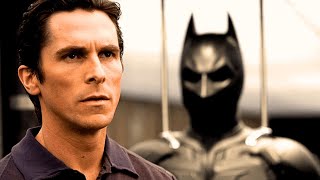
1. Batman Begins (2005)
Release Year: 2005
Synopsis: Batman Begins explores the origins of Bruce Wayne’s transformation into the Dark Knight. After witnessing his parents’ murder, Bruce travels the globe to train with the League of Shadows, only to reject their extremist methods and return to Gotham City. He adopts the Batman persona to combat corruption and fear.
Key Themes: fear vs. courage, the moral weight of vengeance, and the power of self‑discovery.
Fans often cite the film’s realistic approach to crime‑fighting gear and the iconic performance of Christian Bale as a turning point for superhero storytelling.
2. The Dark Knight (2008)
Release Year: 2008
Synopsis: In the second chapter, Batman faces his most infamous adversary, the Joker, portrayed by Heath Ledger. The Joker’s chaotic philosophy forces Gotham’s citizens and its leaders to confront the thin line between order and anarchy.
Key Themes: chaos vs. order, moral ambiguity, and the cost of heroism. The film’s exploration of ethical dilemmas set a new benchmark for narrative depth in blockbuster cinema.
Ledger’s posthumous Academy Award for Best Supporting Actor highlighted the cultural impact of the movie, cementing it as a modern classic.
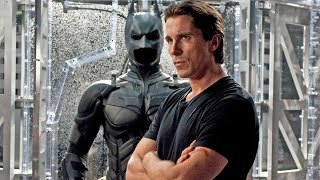
3. The Dark Knight Rises (2012)
Release Year: 2012
Synopsis: The final installment follows Batman’s return from exile to confront the merciless terrorist Bane, who threatens to destroy Gotham from within. As the city crumbles, Bruce Wayne must reconcile his legacy with the hope of a new generation.
Key Themes: redemption, sacrifice, and the enduring nature of heroism. The film closes the trilogy by emphasizing that the symbol of Batman can outlive any single individual.
While some critics debated the film’s pacing, its emotional payoff and visual grandeur earned it a lasting place in the series.
Why the Nolan Trilogy Stands Out
Christopher Nolan’s approach combined a gritty realism