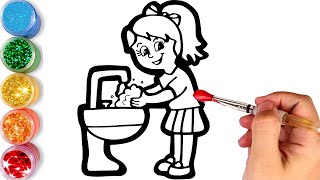
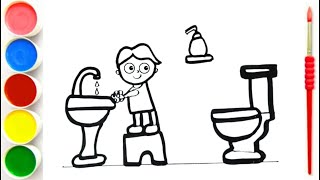
Coloring Pages for Handwashing: A Fun Way to Teach Kids Hygiene
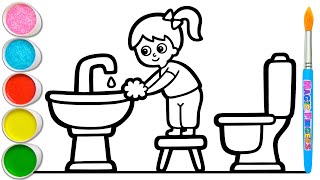
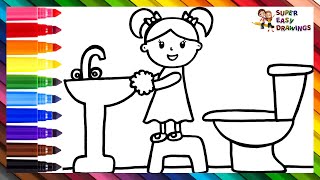
Teaching children the importance of washing their hands can be a challenge, especially when the routine feels repetitive or boring. One approach that many parents, teachers, and caregivers find helpful is to combine the habit with a creative activity such as coloring. Coloring pages for handwashing give kids a chance to engage with the concept visually while they practice fine‑motor skills and reinforce the steps of proper hand hygiene.
Below is a guide that explains why coloring can support handwashing routines, what to look for in effective designs, and how to integrate the activity into daily life at home, in preschools, or during community events.
Why Coloring Activities Support Handwashing Habits
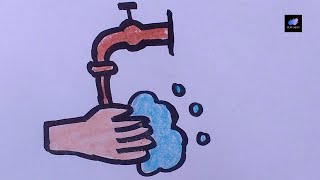
Research in early childhood education suggests that multisensory learning — combining visual, tactile, and verbal cues — can improve retention of new concepts. When a child colors a picture that illustrates each step of handwashing (turning on the tap, applying soap, scrubbing for at least 20 seconds, rinsing, and drying), they:
- See a clear, sequential representation of the process.
- Spend time focusing on each image, which can increase attention to detail.
- Develop hand‑eye coordination as they stay within lines.
- May feel a sense of accomplishment when the page is completed, reinforcing a positive association with the habit.
Many educators note that children who enjoy a creative task are more likely to repeat the related behavior later. A coloring sheet can serve as a visual reminder that hangs on a bathroom mirror or fridge, prompting the child to wash their hands before meals or after playing outside.
Choosing the Right Designs
Not all coloring pages are equally effective for teaching handwashing. Consider the following features when selecting or creating sheets:
- Clear, simple outlines. Thick lines help younger children stay inside the borders and reduce frustration.
- Step‑by‑step sequencing. Pages that show the handwashing process in numbered panels (1‑6) make it easier to follow the correct order.
- Familiar characters or themes. Incorporating