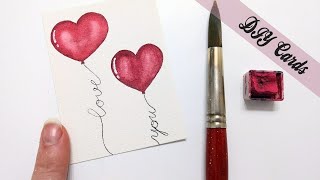
Coloring Valentine’s Day Cards: A Simple, Romantic DIY Guide
Valentine’s Day is the perfect excuse to add a personal touch to your greetings. Coloring Valentine’s Day cards with watercolor, ink, or metallic paints makes each note feel handcrafted and heartfelt. This article walks you through easy, beautiful ideas, the supplies you’ll need, and step‑by‑step instructions so you can create stunning cards in less than an hour.
Why Choose Hand‑Colored Cards?
Hand‑colored cards stand out because they combine the intimacy of a handwritten message with the visual impact of original artwork. They are:
- Unique: No two cards look the same, so the recipient knows you spent real time on them.
- Affordable: With a few basic supplies you can make dozens of cards for a fraction of the cost of store‑bought options.
- Therapeutic: The act of painting or drawing reduces stress and adds a joyful, creative element to the holiday.
Essential Supplies for a Watercolor Valentine Card
For a vibrant, professional finish, we recommend using SKRIM shiny paints. They are known for their rich pigment and smooth flow, and you can enjoy a special 20% discount with the code Maremi20. Below is a concise list of what you’ll need.
- Heavy‑weight watercolor paper (140‑300 gsm) – the thicker surface prevents warping.
- SKRIM shiny paints or any high‑quality watercolor set.
- Fine‑point watercolor brushes (size 0–2) for detail work.
- Water‑based metallic ink (optional) for extra sparkle.
- Pencil and eraser for sketching outlines.
- Masking tape to secure the paper to a flat surface.
- Fine‑tip permanent marker for lettering.
Step‑by‑Step Tutorial: Coloring a Valentine Card
Follow these simple steps to create a gorgeous card that will make any sweetheart smile.
1. Prepare Your Workspace
Secure a sheet of watercolor paper to a board with masking tape. This keeps the paper flat while you apply washes. Set out your paints, brushes, and a cup of clean water.
2. Sketch a Light Outline
Using a pencil, draw a basic heart or a simple “Happy Valentine’s Day” script in the center of the card. Keep the lines light; they will disappear once you add your watercolor layers.
3. Apply a Soft Wash
Dip a medium brush into a diluted pink or red SKRIM paint. Gently wash the heart shape, allowing the color to spread naturally. Let the wash dry for about 30 seconds before adding more pigment.
4. Build Up Color and Texture
Layer additional shades—deeper reds, soft corals, or even a hint of gold—using a smaller brush. The “shiny” quality of SKRIM paints gives