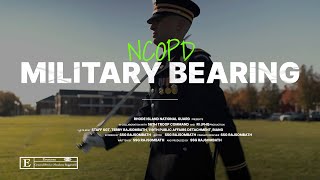
Understanding the Components Of Military Bearing
Military bearing is the visible expression of a service member’s professionalism, discipline, and respect for the uniform code of conduct. It goes beyond mere appearance; it reflects attitude, behavior, and communication. Whether you are a new recruit or a seasoned officer, mastering the components of military bearing is essential for personal credibility and unit cohesion.
1. Physical Presentation
Physical presentation is the most immediate aspect of military bearing. It includes:
- Uniform compliance: Wearing the correct uniform, insignia, and accessories in accordance with the branch’s regulations.
- Personal grooming: Maintaining a clean-shaven face (or approved facial hair), short haircuts, and well‑kept nails.
- Posture and gait: Standing upright with shoulders back, walking with purpose, and keeping the head level.
- Equipment readiness: Ensuring weapons, boots, and other gear are properly maintained and positioned.
2. Professional Conduct
Professional conduct defines how a service member interacts with peers, superiors, and the public. Key elements include:
- Respectful communication: Using proper titles, clear language, and a calm tone, especially in high‑stress situations.
- Adherence to protocol: Observing ceremonies, salutes, and chain‑of‑command procedures without deviation.
- Accountability: Taking responsibility for one’s actions, reporting errors promptly, and following through on commitments.
3. Mental Discipline
Military bearing demands mental resilience and focus. The following practices help maintain discipline:
- Situational awareness: Continuously scanning the environment and anticipating potential threats.
- Self‑control: Managing emotions, especially under pressure, to avoid impulsive decisions.
- Continuous learning: Engaging in regular training, reading, and professional development to stay current on tactics and regulations.
4. Ethical Standards
Integrity is the cornerstone of military bearing. Service members must uphold the core values of their branch—such as honor, courage, and commitment for the Marine Corps—by:
- Following lawful orders while refusing unlawful directives.
- Maintaining honesty in reports, logs, and personal statements.
- Protecting confidential information and respecting the rights of others.
5. Team Orientation
Effective military bearing reinforces the collective mission. Components that foster teamwork include:
- Reliability: Being punctual, prepared, and ready to assist comrades.
- Communication clarity: Delivering concise, accurate information to avoid misunderstandings.
- Supportive attitude: Encouraging peers, recognizing achievements, and providing constructive feedback.
6. Public Representation
Service members often serve as ambassadors for the armed forces. When interacting with civilians, they should:
- Exhibit courtesy and professionalism, reflecting the values of the military.
- Provide accurate information about the branch’s role and mission.
- Maintain a calm demeanor, even when faced with criticism or