Understanding Contrasting Pictures: Techniques for Visual Impact
In the realm of photography and digital art, contrasting pictures are those that utilize opposing visual elements to create tension, depth, and a clear focal point. Contrast is not merely about the difference between black and white; it encompasses a wide array of oppositions, including color, scale, texture, and lighting. When used effectively, contrast guides the viewer's eye and evokes a specific emotional response.
The Role of Tonal Contrast
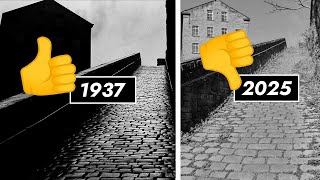
Tonal contrast refers to the difference between the lightest and darkest areas of an image. High-contrast images feature stark differences between highlights and shadows, often resulting in a bold, dramatic look. This technique was mastered by influential photographers like Bill Brandt, who used striking tonal shifts to transform ordinary landscapes into surreal, graphic compositions.
Low-contrast images, conversely, have a more compressed range of tones. These pictures often feel softer, more ethereal, or more melancholic, as the transition between light and shadow is gradual rather than abrupt.
How Lighting Creates Contrast
The type of light used during a shoot determines the inherent contrast of the raw image. Understanding the behavior of light is essential for any photographer aiming to control the mood of their work.
- Hard Light: Produced by a small, direct light source (like the midday sun or a bare flash), hard light creates deep shadows and bright highlights, resulting in high-contrast imagery.
- Soft Light: Produced by diffused light sources (like an overcast sky or a softbox), this light wraps around subjects, reducing harsh shadows and creating low-contrast pictures.
- Side Lighting: Lighting a subject from the side emphasizes texture and form, creating a natural contrast that adds three-dimensional depth to a two-dimensional image.
Digital Enhancements and Post-Processing
While capturing the right light in-camera is vital, digital tools allow artists to refine and amplify contrast during post-processing. Software like Adobe Lightroom provides specific sliders that manipulate how we perceive contrast and detail.
Key Tools for Enhancing Contrast
To achieve high-impact contrasting pictures, editors often look beyond the basic "Contrast" slider. Several advanced tools help in defining the structure of an image:
- Clarity: This tool increases contrast in the mid-tones, making edges pop without affecting the extreme highlights or shadows.
- Texture: Similar to clarity, texture enhances the contrast of small-scale details, which is ideal for bringing out the grit in stone or the weave of fabric.
- Dehaze: This function removes atmospheric haze, effectively increasing the contrast between the subject and the background in landscape photography.
- Sharpening: By increasing the contrast along the edges of objects, sharpening makes an image appear more defined and crisp.
Beyond Tonal Contrast: Color and Composition
Contrast is not limited to luminosity. Color contrast is one of the most powerful tools for creating visually arresting pictures. This is often achieved through the use of complementary colors—those opposite each other on the color wheel, such as blue and orange or red and green.
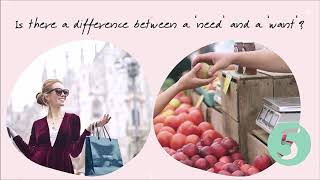
Additionally, conceptual contrast can be used to tell a story. This involves placing opposing subjects within the same frame, such as a modern skyscraper next to a crumbling ruins, or a small child standing beside a massive monument. This contrast in scale and theme forces the viewer to contemplate the relationship between the two subjects.
Tips for Mastering Contrasting Pictures
To improve your ability to capture and edit high-contrast imagery, consider the following practical tips:
- Shoot during the Golden Hour: The low angle of the sun creates long shadows and warm highlights, providing a natural balance of contrast.
- Use Black and White Conversion: Removing color allows you to focus entirely on the tonal contrast, making the interplay of light and dark the primary subject.
- Avoid Over-Processing: While high contrast