The Architect of Victory: Didier Deschamps in 1998
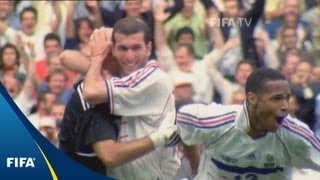
When the final whistle blew at the Stade de France on July 12, 1998, the nation erupted in a wave of emotion that would define a generation. France had defeated Brazil 3-0 to win the FIFA World Cup for the first time. At the center of this historic triumph, lifting the golden trophy under the Parisian sky, was a man whose contribution often went beyond the highlights reels: captain Didier Deschamps. For many, 1998 was about the goals of Zinedine Zidane or the brilliance of Youri Djorkaeff, but for those who looked closer, it was the year Deschamps cemented his legacy as the ultimate leader.
In that moment, Deschamps was not just a player; he was the embodiment of a team built on discipline, sacrifice, and collective strength. His journey to that podium was the result of years of tactical evolution and quiet authority—a story that has since become the stuff of French football folklore.
The Role of the Captain in a Star-Studded Squad
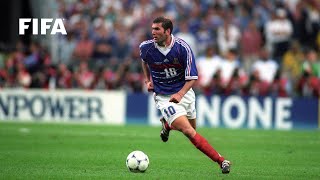
The French squad of 1998 was packed with talent. From the defensive solidity of Laurent Blanc and Lilian Thuram to the creative genius of Zidane, every position boasted world-class quality. Yet, it was the 29-year-old midfielder from Bayonne who wore the armband. Deschamps was not the fastest or the most technically gifted, but his intelligence on the pitch was unmatched. He read the game like a coach from the center of the park, breaking up opposition plays and distributing the ball with simple precision.
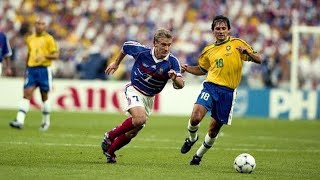
His playing style was often described as the "water carrier" by critics, a term that unfairly diminished his influence. In truth, Deschamps was the glue that held the team together. He allowed the flair players to flourish by taking on the unglamorous duties: covering for full-backs, pressing opponents, and maintaining the team's shape. This selflessness was the foundation upon which manager Aimé Jacquet built his world champions. As French stars later reflected on their historic run, many pointed to Deschamps as the essential figure who kept the dressing room united and focused.