Understanding the Difference Between Frozen Margarita and Daiquiri
When the temperature rises, cocktail lovers turn to icy, blended drinks that can be sipped poolside or enjoyed on a patio. Two of the most popular frozen cocktails are the frozen margarita and the frozen daiquiri. While they may look similar in a glass, their flavor foundations, traditional ingredients, and cultural origins set them apart. This article breaks down the key distinctions so you can decide which chilled concoction best fits your next gathering.
Origins and Classic Profiles
Both drinks trace their roots to Latin America, but they emerged from different countries and traditions.
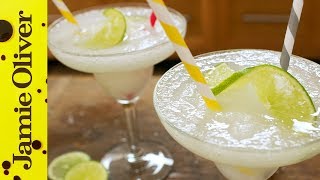
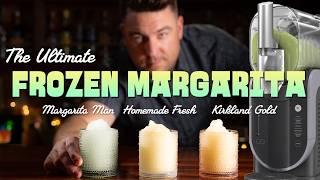
- Frozen Margarita: Originating in Mexico, the classic margarita combines tequila, lime juice, and orange liqueur (usually Cointreau or Triple Sec). The frozen version adds ice and often a splash of simple syrup to balance the tartness.
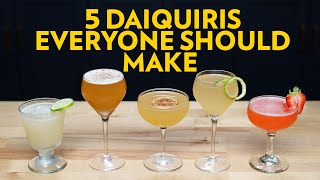
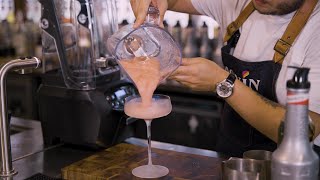
- Frozen Daiquiri: Hailing from Cuba, the traditional daiquiri is a simple mix of white rum, lime juice, and simple syrup. The frozen adaptation blends these ingredients with crushed ice, sometimes incorporating fruit purees such as strawberry or mango.
Understanding these foundations helps explain why the two cocktails taste distinct even when served in the same frosty style.
Core Ingredient Differences
Base Spirit
The most obvious divergence lies in the base spirit. A frozen margarita relies on tequila, a spirit made from the blue agave plant. Its earthy, slightly peppery notes dominate the drink. In contrast, a frozen daiquiri uses white rum, which imparts a lighter, sweeter profile with subtle vanilla undertones.
Flavor Enhancers
Both cocktails use citrus, but the supporting flavors differ:
- Frozen Margarita
- Orange liqueur (Cointreau, Triple Sec) adds a bright, citrusy sweetness.
- Often a pinch of salt on the rim enhances the lime’s acidity.
- Frozen Daiquiri
- Simple syrup is the primary sweetener, allowing the rum’s natural flavors to shine.
- Fruit purées (strawberry, pineapple, mango) are common additions, giving the daiquiri a vibrant, aromatic twist.
Ice Ratio and Texture
Both drinks are blended with ice, but bar technicians often adjust the ice-to-liquid ratio to accommodate the spirit’s strength. A frozen margarita typically contains slightly less ice to keep the tequila’s bold character present, while a frozen daiquiri may be blended with more ice to produce a smoother, creamier mouthfeel.
Preparation Techniques
While the basic steps are similar—combine ingredients, add ice, blend until slushy—there are subtle technique differences that affect the