What Is a Digraph Anchor Chart?
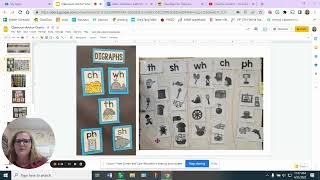
A digraph anchor chart is a visual reference tool that displays two‑letter combinations—such as sh, ch, th, wh—that produce a single sound. Teachers and learners use these charts to reinforce phonics patterns, improve reading fluency, and support spelling instruction. By anchoring the concept on a wall or digital board, students can quickly glance at the chart while decoding words, making the learning process more efficient.
Why Digraph Anchor Charts Matter in the Classroom
When teaching English, especially early readers, the ability to recognize digraphs is essential. Unlike single letters, digraphs require students to hear and produce a blended sound. An anchor chart provides a consistent visual cue that helps children:
- Identify the sound each digraph makes.
- Connect the digraph to familiar words (e.g., ship, chip, thin, what).
- Distinguish between similar sounds, such as sh versus ch.
Research on phonics instruction shows that visual aids, like anchor charts, improve retention and promote independent reading skills.
Designing an Effective Digraph Anchor Chart
Creating a useful chart involves a few simple steps. I love making anchor charts that are both attractive and functional. Follow this guide to design a chart that serves a wide range of learners:
- Choose the digraphs. Start with the most common ones: sh, ch, th, wh, ph, ng. You can expand the chart later to include less frequent combinations.
- Show the sound. Write the phonetic representation (e.g., /ʃ/ for sh) next to each digraph.
- Provide example words. List three to five words that illustrate the digraph in different positions (initial, medial, final).
- Add visuals. Simple pictures or icons help visual learners associate the sound with an image.
- Use color coding. Assign a distinct color to each digraph to aid quick identification.
Sample Layout for a Digraph Anchor Chart
Below is a typical structure you might see on a classroom wall. The layout is organized into rows, each dedicated to a single digraph.
- SH – /ʃ/
- ship, push, fish
- CH – /tʃ/
- chip, lunch, beach
- TH – /θ/ (voiceless) & /ð/ (voiced)
- thin, both (voiceless); this, mother (voiced)
- WH – /w/
- when, why, wharf
- PH – /f/
- phone, graph, dolphin