What Is a Digraph and Why It Matters
In English, a digraph is a pair of letters that together represent a single sound. This concept is essential for both reading and pronunciation because it helps learners see beyond individual letters and recognize patterns that affect how words are spoken. When you master digraphs, you can decode unfamiliar words more quickly and improve your overall fluency. This article provides a clear digraph word list and practical ways to use it in everyday language learning.
Common Digraph Patterns in English
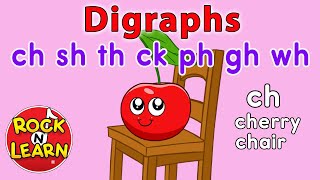
English contains many digraphs, each tied to a specific phoneme. Some of the most frequent include:
- sh – as in ship and shovel
- th – as in think (hard) and this (soft)
- ch – as in chat and cheese
- ph – as in phone and photo
- wh – as in what and wheel
- ng – as in sing and ring
- ck – as in back and stick
Recognizing these patterns early builds a strong foundation for spelling and pronunciation.
Building Your Own Digraph Word List
Creating a personalized list helps you focus on the sounds that cause the most difficulty. Start by selecting words that contain the digraphs you want to practice, then group them by pattern. Below is a sample