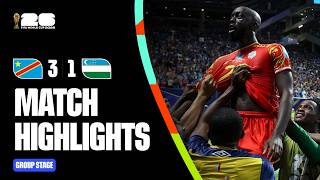
DR Congo’s First World Cup Appearance: A Historic Milestone
The Democratic Republic of Congo (DR Congo) finally returned to the FIFA World Cup stage after a 52‑year hiatus. Their qualification for the 2026 tournament marks a watershed moment for a nation that first broke onto the world scene in 1974 as Zaire. This article explores the journey, the key moments that secured the spot, and the broader cultural impact of the long‑awaited return.
Background and Early Dreams
Football has been the heartbeat of Congolese sport since colonial times. Local clubs such as AS Vita Club and TP Mazembe dominated regional competitions, feeding a talent pool that dreamed of global recognition. The first taste of that dream came when Zaire qualified for the 1974 World Cup in West Germany, becoming the inaugural Sub‑Saharan African team to reach the tournament.
The 1974 Breakthrough
Zaire’s historic run was built on a solid defensive core and a charismatic attack led by the legendary Mulumba Ndaye. Although the team lost all three group matches, the experience planted a seed that would grow into a national obsession. The 1974 appearance also sparked a wave of football development across the continent, inspiring nations such as Cameroon and Nigeria to pursue their own World Cup ambitions.
A 52‑Year Wait Ends
After the 1974 debut, DR Congo endured a long period of political turmoil, limited resources, and missed qualification attempts.