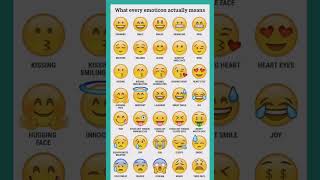
Emoji Emotions: Expressing Feelings in the Digital Age
In a world where text messages, social media posts, and instant chats dominate our daily communication, emojis have become the universal shorthand for emotion. From a quick smile to a complex blend of feelings, these tiny icons help us convey tone, nuance, and personality in just a few keystrokes. This article explores the role of emoji emotions, how they can be taught to children, and why mastering their use is essential for effective digital communication.
What Are Emoji Emotions?
Emoji emotions are graphic symbols that represent a wide range of feelings—happy, sad, angry, excited, and even more subtle states like “feeling overwhelmed” or “in awe.” They are part of the Unicode Standard, ensuring that each icon displays consistently across devices and platforms. By attaching an emoji to a sentence, we can instantly add context and tone that plain text might miss.
Why Emojis Matter in Language
Traditional written language often lacks the nonverbal cues that face-to-face interactions provide. Emojis fill that gap, allowing writers to:
- Clarify intent—a text that says “I’m fine” can become “I’m fine 😅” to show sarcasm.
- Show empathy—sending a heart or a comforting face can convey support.
- Save space—a single emoji can replace a whole paragraph of description.
- Build rapport—shared emoji usage can strengthen connections in online communities.
Common Emoji Emotions and Their Meanings
Below is a quick guide to six of the most frequently used emotional emojis. Understanding these will help you choose the right one for any situation.
- 😊 Smiling Face with Smiling Eyes – Indicates happiness, friendliness, or a light-hearted tone.
- 😢 Crying Face – Expresses sadness, disappointment, or sympathy.
- 😠 Angry Face – Shows frustration, anger, or strong disagreement.
- 🤔 Thinking Face – Suggests contemplation, confusion, or a question.
- 🤗 Hugging Face – Conveys warmth, affection, or a virtual hug.
- 🔥 Fire – Used to describe something exciting, amazing, or “on fire” in performance.
These icons can be combined or placed in sequence to create nuanced expressions. For example, “I’m so proud of you! 🎉🙌” merges celebration and encouragement into one powerful message.
Teaching Kids to Identify and Express Emotions with Emojis
In a recent video lesson, children learn to identify and express their feelings using emojis. The approach focuses on:
- Recognition – Matching a face or symbol to a specific emotion.
- Expression – Choosing the correct emoji to convey their own