European Wax Center Class Action: What Consumers Need to Know
The beauty‑industry giant European Wax Center (EWC) has become the subject of a class action lawsuit that is attracting national attention. Legal analyst Whitney Traylor of 9NEWS has broken down the case, explaining how the lawsuit fits within broader consumer‑rights litigation. This article provides a clear, factual overview of the claim, the legal mechanisms involved, and what potential plaintiffs should consider.
Understanding a Class Action
A class action is a legal procedure that allows a large group of people with similar grievances to sue a defendant collectively. Rather than filing dozens or hundreds of individual lawsuits, a single case represents the entire class. The court must certify the class, confirming that:
- Common legal or factual questions exist.
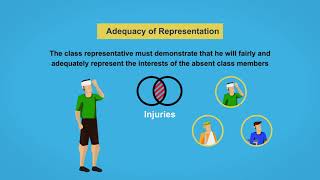
- The named plaintiff(s) can adequately represent the group.
- Typical claims predominate over individual concerns.
When a class is certified, any judgment or settlement applies to all members, unless they opt out.
Background of the European Wax Center Lawsuit
The lawsuit alleges that European Wax Center failed to disclose certain “hidden fees” and misrepresented the scope of its “membership” pricing plans. Plaintiffs claim they were charged for services that were either not rendered or were billed at rates higher than advertised. The complaint also references alleged violations of state consumer‑protection statutes.
Whitney Traylor notes that the case hinges on whether EWC’s marketing materials constitute “deceptive trade practices.” The analyst emphasizes that the court will examine the precise language of promotional emails, website terms, and in‑store signage to determine if consumers were misled.
Key Legal Issues
Several legal questions drive the litigation:
- Disclosure Requirements: Does EWC’s contract adequately disclose all fees, including cancellation and “auto‑renew” charges?
- Advertising Accuracy: Are the advertised price points consistent with the actual amounts billed to customers?
- Consumer‑Protection Statutes: Which state laws apply, and do they impose strict liability for deceptive advertising?
These issues intersect with broader economic discussions about the law and economics of consumer contracts. Scholars often argue that transparent pricing improves market efficiency, while hidden fees can distort consumer choice and erode trust.
Potential Outcomes for Plaintiffs
If the court finds in favor of the class, possible remedies include:
- Monetary Compensation: Refunds of overcharged amounts, plus statutory damages where applicable.
- Injunctive Relief: Orders requiring EWC to revise its billing practices and improve disclosure.
- Attorney Fees: Reimbursement of legal costs for class representatives.
Conversely, if the court rules that EWC’s disclosures meet legal standards, the case may be dismissed, leaving plaintiffs without compensation