Even Odd Games: Fun Ways to Teach Parity and Observation Skills
Even Odd Games are simple, engaging activities that help children discover the difference between even and odd numbers while sharpening their visual‑detail skills. Whether you are a kindergarten teacher, a Grade 1 parent, or a homeschooling enthusiast, these games provide a hands‑on approach to math concepts that often feel abstract in a textbook.
What Are Even Odd Games?
At their core, Even Odd Games involve sorting, matching, or racing objects based on whether a number is divisible by 2 (even) or not (odd). The format can be as basic as a set of flash cards, or as elaborate as a classroom‑wide treasure hunt. The key elements are:
- Clear rules: Identify a number, decide if it’s even or odd, and place it in the correct group.
- Visual cues: Use colors, shapes, or pictures to reinforce the concept.
- Movement or timing: Add a physical component (e.g., hop on even numbers) to keep energy high.
Because the games are adaptable, you can scale them from a quick 5‑minute warm‑up to a full‑lesson activity that integrates reading, counting, and critical thinking.
How to Play: Step‑by‑Step Guide
1. Gather Materials
- Number cards (0‑20 works well for kindergarten and Grade 1).
- Two baskets, bins, or colored mats labeled Even and Odd.
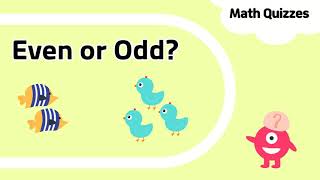
- Optional: small objects (coins, beads, pom‑poms) for counting.
2. Explain the Rule
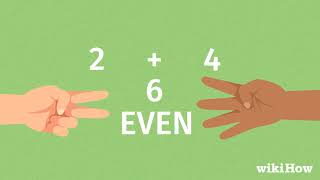
Use simple language: “If a number can be split into two equal groups, it’s even. If one is left over, it’s odd.” Demonstrate with a handful of objects to make the idea concrete.
3. Play the Game
Choose one of the following formats:
- Sorting Relay: Students run to a pile of mixed cards, pick one, decide its type, and place it in the correct bin.
- Even‑Odd Bingo: Create bingo cards with numbers. Call out a number; players cover it with an even or odd token.
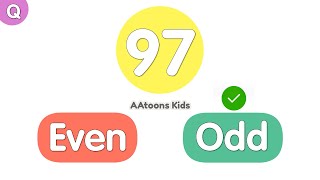
- Eye‑Detail Challenge: Show a picture with hidden numbers. Children must locate each number and announce whether it’s even or odd.