Fast Fashion Consequences: Why Your Wardrobe Matters
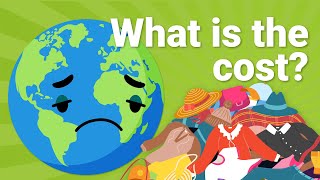
Fast fashion has reshaped the way we shop, offering trendy pieces at a fraction of the price. While it satisfies our desire for constantly refreshed wardrobes, the cost to the planet and people is growing ever more apparent. In this article we explore the environmental, social, and economic impacts of overconsumption, and consider how everyday choices—like keeping that favorite pair of jeans—can help turn a global climate problem into a personal solution.
1. The Rise of Fast Fashion and the Numbers Behind It
- Clothing sales worldwide are skyrocketing, with annual revenue projected to exceed $1.5 trillion by 2025.
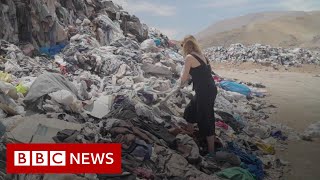
- Yet, each year 100 million metric tons of textile waste are produced, the equivalent of 12 million garbage trucks.
- Only about 30% of this waste is recycled, while the rest ends up in landfills or is incinerated.
These figures illustrate a paradox: the more we buy, the more waste and pollution we create. Fast fashion’s business model—rapid design, cheap production, and frequent new releases—encourages consumers to view garments as disposable items rather than long‑lived investments.
2. Environmental Damage: From Cotton Fields to Ocean Plastics
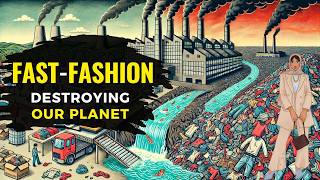
Fast fashion’s environmental footprint is broad and deep. Here are the key areas where the industry leaves a heavy mark.
2.1 Water Usage and PollutionCotton cultivation is a water-intensive process, requiring up to 2,700 liters per kilogram of fiber. The dyeing and finishing stages consume additional water and introduce toxic chemicals into waterways. When a garment is discarded, these chemicals can leach into the soil and contaminate drinking water sources.
2.2 Carbon EmissionsFrom raw material extraction to shipping, each garment can emit between 5 and 20 kilograms of CO₂. The rapid turnover of styles means a large portion of these emissions are associated with items that are worn only a few times before being replaced.
2.3 Microplastic PollutionSynthetic fibers such as polyester shed microplastics with every wash. These tiny particles accumulate in oceans and rivers, posing a threat to marine life and, ultimately, human health.
3. Social and Economic Implications
Fast fashion’s low cost is often achieved by cutting corners on labor standards and safety. Workers in supply chains—particularly in developing countries—face long hours, unsafe conditions, and wages that barely cover basic living expenses.
- Reports show that a typical garment factory in South Asia may pay workers 20–30% of the price that consumers pay for the finished product.
- Safety incidents, including factory fires and collapses, have claimed thousands of lives, highlighting the urgent need for stricter regulations.
4. Overconsumption: A Cultural Shift
Fast fashion thrives on the idea that “new is better.” This mindset fuels a culture of overconsumption, where items are bought, used, and discarded at an alarming rate. The psychological effect is amplified by social media, where constant exposure to new styles creates a sense of urgency to keep up.
Experts suggest that reducing the frequency of purchases—buying fewer, higher quality items—can significantly lower a consumer’s environmental impact. By extending the life of each garment, we also reduce the demand for new production and the associated emissions.
5. Your Favorite Jeans: A Climate Solution in Disguise
It may sound counterintuitive, but the jeans you refuse to throw out could be part of a