Fast Fashion vs Luxury Fashion: What’s the Real Difference?
When you think of fashion, two terms often pop into mind: fast fashion and luxury fashion. Although both aim to keep us looking stylish, they differ dramatically in design, production, pricing, and impact on the planet. Below we break down the key distinctions, explore real‑world examples, and help you decide which route aligns with your values and budget.
1. How Each Model Works
Fast Fashion
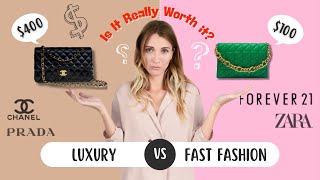
Fast‑fashion brands—think Zara, H&M, and Forever 21—release new collections every few weeks. Their business model relies on:
- Rapid prototyping and quick turnaround from design to store.
- Low‑cost production, often in overseas factories with minimal labor protections.
- High volume, low margin sales that encourage repeat purchases.
Because production is cheap and frequent, these brands keep prices low, making trendy pieces accessible to a wide audience.
Luxury Fashion
Luxury houses such as Gucci, Chanel, and Prada follow a different path:
- Designers create limited collections, often once or twice a year.
- Materials are sourced from premium suppliers, and craftsmanship is highly specialized.
- Products are priced to reflect quality, heritage, and brand prestige.
These houses focus on exclusivity and durability, offering pieces that can become long‑term investments.