Introduction to Feeling Activities for Preschoolers
Social-emotional learning (SEL) is a crucial part of a child's development, and it starts from a very young age. As a caregiver or parent, it's essential to help your preschooler navigate their emotions and develop self-awareness, self-regulation, and interpersonal skills. One way to achieve this is by incorporating feeling activities into their daily routine. In this article, we will explore various activities that can help your child understand and manage their emotions.
Why Feeling Activities are Important
Feeling activities for preschoolers are designed to help them identify, express, and manage their emotions in a healthy way. These activities can be simple yet effective in teaching children to recognize and understand different emotions, such as happiness, sadness, anger, and fear. By engaging in these activities, preschoolers can develop essential life skills, including self-awareness, empathy, and self-regulation.
Activities to Encourage Emotional Awareness
There are many fun and engaging activities that can help preschoolers develop emotional awareness. Here are a few examples:
- Feelings Charades: Act out different emotions without speaking, and ask your child to guess how you're feeling. This activity encourages children to recognize and identify various emotions.
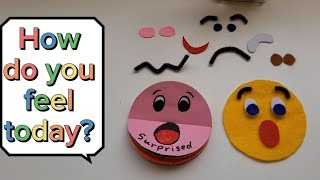
- Emotion Matching Game: Create a matching game with pictures or cards that depict different emotions. Ask your child to match the emotions, and discuss each feeling as they play.
- Feelings Journal: Encourage your child to draw or write about their feelings each day. This activity helps children develop self-awareness and express their emotions in a healthy way.
Games to Develop Self-Regulation Skills
Self-regulation is an essential skill that helps children manage their emotions and behaviors. Here are a few games that can help preschoolers develop self-regulation skills:
- Deep Breathing Exercise: Teach your child deep breathing exercises to help them calm down when they're feeling anxious or upset.
- Counting Game: Play a counting game where your child has to count to 10 before reacting to a situation. This activity helps children develop self-control and self-regulation skills.
- Simon Says: Play a game of "Simon Says" to help your child develop self-regulation skills and follow instructions.
Creative Activities to Encourage Emotional Expression
Creative activities are an excellent way to encourage emotional expression in preschoolers. Here are a few ideas:
- Art Projects: Provide your child with various art supplies, such as paints, crayons, and markers, and ask them to create a picture that represents their current emotional state.
- Music and Movement: Put on some music and encourage your child to move their body to express different emotions. This activity helps children develop self-awareness and express their emotions in a healthy way.
- Drama and Role-Playing: Engage in drama and role-playing activities with your child to help them develop empathy and understand different perspectives.
Tips for Caregivers and Parents
As a caregiver or parent, it's essential to be patient and supportive when helping your preschooler develop emotional awareness and self-regulation skills. Here are a few tips:
- Be a Role Model: Children learn from what they see, so it's essential to model healthy emotional expression and self-regulation skills.
- Encourage Open Communication: Create a safe and supportive environment where your child feels comfortable expressing their emotions and thoughts.
- Validate Their Feelings: Validate your child's feelings and offer empathy when they're upset or distressed.
Conclusion
Feeling activities for preschoolers are an essential part of social-emotional learning. By incorporating these activities into your child's daily routine, you can help them