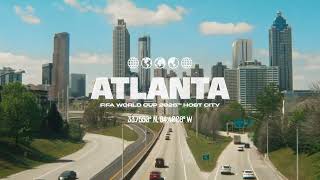
FIFA World Cup 2026: Why Atlanta Is a Key Host City
The FIFA World Cup 2026 will be the first tournament to be staged across three nations—United States, Canada and Mexico. Among the U.S. venues, Atlanta stands out for its modern stadium, vibrant soccer culture, and strategic location in the Southeast. This article explores what the 2026 edition means for the city, the expected economic impact, and how the tournament fits into the broader narrative of international football.
Atlanta’s Stadium and Infrastructure
Mercedes‑Benz Stadium, home of Atlanta United FC, will host the World Cup matches. The venue seats over 71,000 spectators, features a retractable roof, and boasts a state‑of‑the‑art video board that meets FIFA’s technical standards. With the World Cup requirements in mind, the stadium has already undergone upgrades to improve player facilities, media zones, and fan accessibility.
Beyond the stadium, the city’s transportation network—comprising Hartsfield‑Jackson Atlanta International Airport, an extensive MARTA rail system, and improved highway corridors—will handle the influx of tourists. The airport, already the world’s busiest, is slated for additional gates and streamlined customs procedures to ensure smooth arrivals for fans traveling from Europe, South America, and Asia.
Economic Boost and Community Benefits
Local officials project that the FIFA World Cup 2026 will generate billions of dollars in direct spending. Hotels, restaurants, and retail outlets are expected to see a surge in demand, while temporary job creation will span construction, hospitality, and event management. The tournament also offers long‑term benefits: upgraded public spaces, enhanced transit options, and increased global visibility that can attract future sporting events.
- Tourism revenue: Estimates suggest over 500,000 visitors will stay in the Atlanta area during the tournament.
- Infrastructure investment: Approximately $150 million earmarked for stadium enhancements and surrounding public spaces.
- Legacy projects: Community soccer fields and youth programs funded through World Cup‑related grants.