FIFA World Cup 2030: What the Announcement Means for Football Fans
The 2030 FIFA World Cup is set to become a historic milestone, marking the tournament’s centennial edition. After months of speculation, the official host nations were revealed on December 11th, 2024. This article explores the key details of the upcoming tournament, from the selected countries and stadiums to the legacy projects that will shape the future of the beautiful game.
Host Nations Confirmed
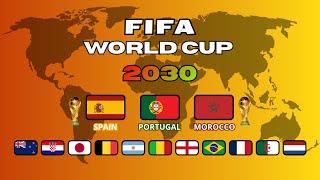
We finally know which countries will host the 2030 World Cup. The joint bid of Spain, Portugal, and Morocco won the vote, offering a blend of European football heritage and North African passion. The decision reflects FIFA’s commitment to rotating the tournament across different continents while rewarding regions with strong football traditions and modern infrastructure.
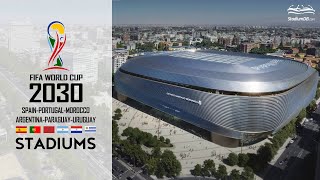
- Spain – Home to iconic venues such as the Santiago Bernabéu and Camp Nou.
- Portugal – Featuring the Estádio da Luz and new state‑of‑the‑art facilities in Lisbon.
- Morocco – Introducing cutting‑edge stadiums in Casablanca and Marrakech, with a focus on sustainability.
Inside the Stadiums of the 2030 World Cup
All selected venues will undergo upgrades to meet FIFA’s strict standards for capacity, safety, and fan experience. Inside the stadiums, fans can expect:
- Enhanced seating comfort and increased accessibility for disabled spectators.
- Advanced security systems using facial recognition and AI‑driven crowd monitoring.
- Eco‑friendly features such as solar panels, rainwater harvesting, and recyclable seating.
These improvements aim to deliver a world‑class atmosphere while reducing the environmental footprint