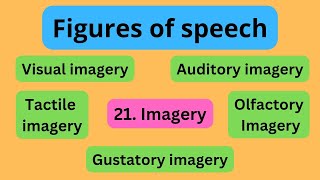
Five Senses Of Imagery: A Complete Guide for Students and Writers
Imagery is the heart of vivid writing. By engaging the five senses of imagery—sight, sound, smell, taste, and touch—authors can transport readers into a story’s world and make every scene feel real. This guide explains what imagery is, why it matters in a 6th‑grade English language arts (ELA) lesson, and how you can practice the technique in any genre.
What Is Five‑Senses Imagery?
Five‑senses imagery is a literary device that uses descriptive language to appeal to a reader’s sensory experiences. When a writer mentions the bright orange of a sunset, the crunch of autumn leaves, the scent of fresh‑baked bread, the tang of lemonade, or the softness of a quilt, they are activating the reader’s senses. This activation helps the audience visualize, hear, smell, taste, or feel the scene, turning abstract ideas into concrete moments.
Why Teach Five‑Senses Imagery in 6th‑Grade ELA?
In this 6th‑grade English language arts (ELA) lesson, students will discover how to captivate readers by using sensory details. Learning to incorporate the five senses:
- Improves comprehension by linking text to real‑world experiences.
- Boosts creative thinking as students search for unique ways to describe ordinary objects.
- Develops vocabulary through exposure to vivid adjectives and verbs.
- Encourages emotional connection between writer and reader.
Teachers can use an educational clip for students who want to learn about the power of sensory language, followed by hands‑on activities that reinforce the concept.
How to Use the Five Senses in Your Writing
1. Sight (Visual Imagery)
Visual details are often the first impression a reader receives. Use precise colors, shapes, and movements to paint a picture.
- Choose specific nouns: instead of “tree,” write “towering oak with silver‑gray bark.”
- Include action verbs: “The flag fluttered like a nervous bird.”
- Consider perspective: “From the hilltop, the town sprawled like a patchwork quilt.”
2. Sound (Auditory Imagery)
Sounds add rhythm and mood. Think about volume, pitch, and texture.
- Onomatopoeia: “The kettle whistled sharply.”
- Descriptive phrases: “A low hum of traffic lingered in the night.”
- Contrast: “Silence fell, broken only by the distant bark of a dog.”
3. Smell (Olfactory Imagery)
Scents are powerful memory triggers. Use them to set time and place.
- Identify the source: “The aroma of fresh pine needles filled the cabin.”
- Link emotions: “The smell of rain on hot pavement reminded her of summer picnics.”
4. Taste (Gustatory Imagery)
Taste