The Web of Life Across Africa's Food Systems
Africa's food chain is a story of two interconnected worlds: the raw, untamed energy flows of its wild savannahs and the complex, often fragile networks that feed its growing human populations. From the microscopic organisms enriching the soil to the apex predators roaming the grasslands, and from smallholder farms to bustling urban markets, the continent's food systems are shaped by ancient ecological rhythms and modern infrastructure challenges. Understanding this intricate web is essential for fostering resilience, sustainability, and food security across diverse landscapes.
The Savanna's Unbroken Circle
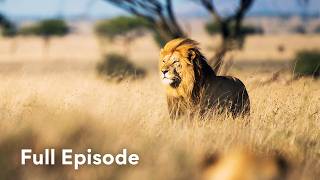
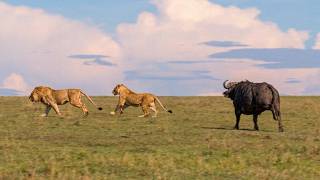
In the heart of ecosystems like the Serengeti, the natural food chain operates with dramatic precision. The grassland ecosystem is the foundation, where solar energy is captured by hardy grasses and acacia trees. This energy then flows through a cascade of life: vast herds of herbivores—wildebeest, zebras, and gazelles—transform plant matter into protein, which in turn fuels predators like lions, hyenas, and cheetahs. Stories from the wild savannah often highlight these survival narratives, where each hunt and escape reinforces the balance of the biome. Scavengers, from vultures to dung beetles, complete the cycle, returning nutrients to the soil. This ancient, unbroken circle demonstrates the efficiency of natural food chains, where every organism plays a role in maintaining the health of the whole. However, this delicate equilibrium is increasingly pressured by climate variability and human encroachment, which disrupt rainfall patterns and fragment migration routes.
Human Food Chains: From Farm to Fork
Alongside the wild food web, Africa's human food chains operate on a vast scale. They begin with the continent's millions of smallholder farmers who cultivate staple crops like maize, cassava, yams, and millet, and raise livestock such as cattle, goats, and poultry. These producers form the base of a chain that winds through local markets, regional traders, and processors before reaching consumers in rapidly growing cities. However, this human-designed food chain faces systemic challenges that the natural savanna does not. A significant bottleneck is the lack of adequate transport connectivity. Improving transport infrastructure—roads, rail, and cold storage logistics—is key to solving the persistent issues of post-harvest loss and price volatility. Without reliable ways to move perishable goods from surplus