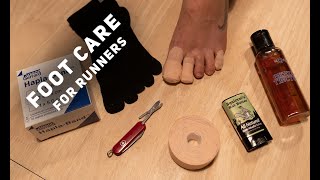
Why Foot Care Matters After a Marathon
After pounding 26.2 miles, your feet are often the first place to feel the strain. Blisters, aching arches, and calluses can turn a triumphant finish into a painful recovery. Proper foot care not only eases discomfort but also prevents long‑term damage and readies you for your next race.
Common Post-Marathon Foot Issues
- Blisters – The most frequent problem for long‑distance runners, especially when shoes are ill‑fitted or socks are too dry.
- Aching and soreness – Muscle fatigue and overuse can cause lingering pain in the heel, ball, and toes.
- Swelling and inflammation – Fluid buildup in the foot can lead to stiffness and limited mobility.
- Callus and corns – Repeated friction can thicken skin, creating uncomfortable hotspots.
- Infections – Open blisters or cuts that aren’t treated properly can become infected.
Step‑by‑Step Recovery Routine
Below is a proven anti‑blister, anti‑rubbing, and anti‑problem routine that works for any distance race. Follow these steps immediately after crossing the finish line and during the first week of recovery.
1. Cool Down and Inspect
- Walk slowly for 5–10 minutes to allow blood to circulate and reduce swelling.
- Remove shoes and socks. Inspect each foot for blisters, cuts, or hot spots.
- Document any injuries with a photo or note for later reference.
2. Clean and Protect
- Wash the feet with mild soap and warm water. Pat dry, leaving a thin film of moisture on the skin.
- Apply a sterile bandage or blister pad to any open lesions. Keep the area covered until it heals.
- Use KT Tape (link: https://bit.ly/40JC73f) to support the arch and reduce friction on high‑pressure zones.
3. Reduce Swelling
- Elevate the feet above heart level for 15–20 minutes every few hours.
- Apply a cold compress or a bag of frozen peas to the swollen areas for 10