Understanding Fractions on Number Lines
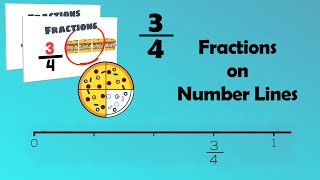
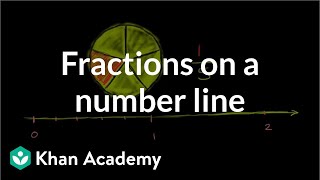
Fractions on a number line provide a visual bridge between whole numbers and the parts that lie between them. By placing fractions on a straight line, students can see how each fraction represents a specific distance from zero, making abstract concepts concrete. This approach is especially helpful for 3rd and 4th grade learners who are just beginning to compare, order, and add fractions.
Why Use Number Lines in Fraction Instruction?
Using a number line offers several educational benefits:
- Visual Clarity: Students can instantly see where a fraction fits relative to whole numbers.
- Conceptual Connections: Number lines link fractions to decimals, percentages, and mixed numbers.
- Problem‑Solving Skills: Placing fractions encourages logical reasoning and spatial thinking.
Step‑by‑Step Guide: Teach Students How to Find Proper Placement
Below is a clear sequence you can follow in the classroom or at home.
- Draw a Baseline: Start with a horizontal line and mark 0 on the left and 1 on the right.
- Divide the Segment: If the denominator is 4, split the space between 0 and 1 into four equal parts. Each tick mark represents one fourth.
- Label the Fractions: Write the fraction above its corresponding tick (e.g., ¼, ½, ¾).
- Place Improper Fractions: Extend the line beyond 1. For 5/4, add another fourth after 1 and label it.
- Compare and Order: Ask students to identify which of two fractions is farther right on the line.
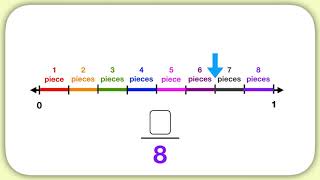
Now that you know what each step looks like, you can model the process with a simple example: placing 3/8 on a number line. First, divide the segment between 0 and 1 into eight equal parts, then count three ticks from zero and place a point at that location.
Practical Classroom Activities
Interactive Video Lesson
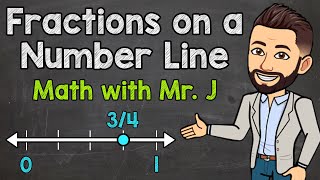
This math video tutorial explains how to place fractions step by step. “Welcome to Fractions on a Number Line with Mr. J! Need help placing 2/5? Follow along as Mr. J draws the line, divides it, and marks the fraction.” Using video helps visual learners repeat the process at their own pace.
Hands‑On Number Line Games
Provide each student with a strip of paper and markers. Have them draw their own number lines and place a series of fractions you call out. This kinesthetic activity reinforces the concept of “proper” placement.
Collaborative Worksheets
Design worksheets that ask students to:
- Identify the correct spot for a given fraction.
- Shade the region between two fractions.
- Convert a fraction to a decimal and locate both on the same line.
Resources for Teachers
3rd and 4th Grade teachers, explore Numberock's equally fun teaching resources with a free month of access available for a limited time. The site offers animated lessons, printable number line templates, and interactive quizzes that align with common core standards.
Learn More at mathantics.com. Visit http://www.mathantics.com for more free math videos and additional subscription‑based content that expands on fraction concepts, including number line activities and real‑world applications.
Extending Learning: From Fractions to Decimals
Once students are comfortable placing fractions, you can introduce decimals on the same line. For example, locate 0.5 directly under ½. This visual overlap helps learners understand that fractions and decimals are two ways of representing the same quantity.
Assessment Tips
To gauge understanding, use quick checks such as:
- Ask students to place a randomly selected fraction within 30 seconds.
- Provide a partially completed number line and have them fill in missing fractions.
- Give a real‑world scenario (e.g., “A pizza is cut into 8 slices. Mark the portion you ate if you had 3 slices.”) and ask them to illustrate it on a number line.
Keep Going! Practice Makes Perfect
Keep going! Check out the next lesson and practice what you're learning: create a number line that includes mixed numbers, then challenge students to order them from smallest to largest. Repetition across different contexts solidifies the skill.
Conclusion
Fractions on number lines are a powerful instructional tool that turns abstract numbers into tangible visual points. By teaching students how to find proper placement, using engaging video tutorials, and providing hands‑on activities, educators can build a strong foundation for future work with fractions, decimals, and percentages. Incorporate the resources mentioned above, and watch your students gain confidence as they navigate the number line with ease.