France Zone Rouge: A Century‑Old Wound Still Healing
The Zone Rouge in northeastern France is a stark reminder that the scars of the First World War have not fully faded. For more than a hundred years a swathe of land has been permanently closed off, not because of an accident, but because the First World War left the soil saturated with shells, toxic gas, and heavy metal contamination. Today, a dedicated team works tirelessly to clear the area, turning a haunting legacy into a story of resilience and environmental restoration.
Origins of the Red Zone
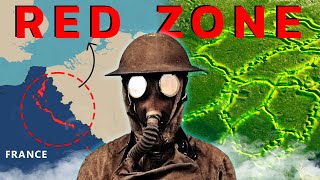
When the armistice was signed in 1918, the French government faced an unprecedented environmental disaster. Tens of millions of unexploded WWI bombs and artillery shells littered the fields of eastern France, especially in the regions surrounding Verdun, the Somme, and the Argonne. The intense bombardments had turned the landscape into a literal red zone, prompting authorities to designate the area as the Zone Rouge.
In the aftermath of the First World War, France discovered a devastated territory saturated with shells, toxic gas, and heavy metals. The contamination was so severe that the government prohibited any civilian activity, marking the zone on maps with a red border that still appears in modern cartography.
What Makes the Zone Rouge Unique?
- Unexploded ordnance (UXO): An estimated 10‑15 % of the original munitions remain buried, posing a constant risk of accidental detonation.
- Soil toxicity: Chemical weapons, including mustard gas, have leached into the ground, rendering it unsafe for agriculture or construction.
- Ecological impact: The contamination has altered local flora and fauna, creating a patchwork of dead zones and areas where only hardy species survive.
These factors combine to make the Zone Rouge one of the most challenging environmental remediation projects in the world.
Meet the Team Working Tirelessly to Clear the Zone
Today, a multidisciplinary crew of engineers, explosives experts, and environmental scientists leads the ongoing de‑contamination effort. Their work includes:
- Mapping UXO locations using ground‑penetrating radar and historical battle records.
- Safely detonating or removing unexploded shells under strict safety protocols.
- Testing soil samples for chemical residues and applying bioremediation techniques to neutralize toxins.
- Restoring cleared land for agricultural use or nature reserves, where possible.
Each team member undergoes rigorous training, and the operation is coordinated with local authorities to ensure that the surrounding communities remain protected.
Progress Made Over a Century
Since the early 1920s, the French government has gradually reduced the size of the Zone Rouge. Initial clearance operations removed the most dangerous munitions, allowing limited agricultural activity in peripheral areas. Over the decades, advances in detection technology and safer disposal methods have accelerated the work.
Today, only a fraction of the original 1,600 km² remains completely off‑limits. The majority of the zone has been reclaimed for vineyards, farms