Free Printable Alphabet Chart: A Practical Resource for Early Learners
Parents, teachers, and caregivers often look for simple tools that support letter recognition without requiring expensive materials. A free printable alphabet chart offers a convenient solution that can be downloaded, printed, and used immediately. This article explains what makes a good alphabet chart, how to use it effectively, and where to find reliable sources for printable versions.
Why an Alphabet Chart Helps Early Literacy
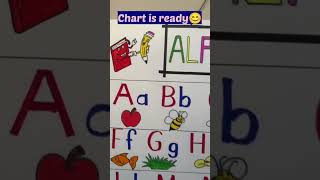
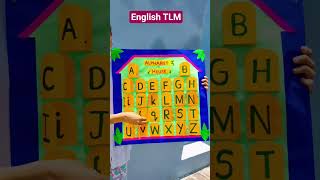
Letter recognition is one of the first steps in learning to read. When children can see the shape of each letter paired with its name and a corresponding sound, they begin to build the foundation for phonics. A chart that displays the uppercase and lowercase forms side by side reinforces the idea that letters have two representations. Including a simple picture or word that starts with each letter adds a visual cue that aids memory.
Research in early childhood education shows that repeated exposure to letters in a consistent format improves recall. A printable chart placed on a wall, refrigerator, or learning center gives children frequent opportunities to point, name, and trace letters. The tactile act of pointing or tracing also supports fine‑motor development, which is beneficial for writing later on.
Features of a Useful Printable Alphabet Chart
Not all alphabet charts are created equal. When selecting a free printable version, consider the following characteristics:
- Clear, legible fonts: Sans‑serif styles such as Arial or Helvetica are easier for young eyes to distinguish.
- Both uppercase and lowercase: Showing each pair side by side helps children understand that they represent the same letter.
- Consistent sizing: Letters should be the same height across the chart to avoid visual confusion.
- Simple illustrations: A single, recognizable image per letter (e.g., an apple for “A”) reinforces the letter‑sound connection without overwhelming the page.
- Sufficient spacing: Adequate white space between letters prevents crowding and makes it easier to focus on one letter at a time.
Charts that meet these criteria can be printed on standard 8.5 × 11 inch paper and laminated for durability, or placed inside a clear sleeve for reuse with dry‑erase markers.
How to Integrate the Chart into Daily Activities
Having a chart on hand is only the first step. The following strategies turn a static poster into an interactive learning tool: