What Is GraphQL?
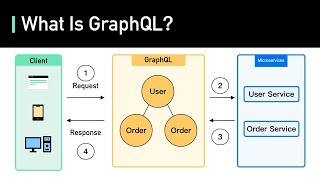
GraphQL is a query language and runtime for APIs that enables clients to request exactly the data they need, and nothing more. Developed by Facebook in 2012 and open‑sourced in 2015, it offers a flexible alternative to traditional REST endpoints. Instead of multiple URLs for different resources, a single GraphQL endpoint can serve a wide variety of queries, making it easier to evolve APIs without breaking existing clients.
How to Use GraphQL: A Quick Start Guide
If you are new to GraphQL, the best way to begin is by creating a simple schema and testing queries with an interactive playground. Follow these steps:
- Define your schema. List the types, fields, and relationships that model your domain.
- Write resolvers. Implement functions that fetch data for each field, whether from a database, another API, or in‑memory objects.
- Set up a server. Use popular libraries such as Apollo Server for Node.js or GraphQL‑Java for Java to expose the endpoint.
- Test queries. Tools like GraphiQL or GraphQL Playground let you explore the schema and run queries interactively.
- Integrate with your client. Many front‑end frameworks provide GraphQL clients (e.g., Apollo Client for React) that handle caching, pagination, and error management.
In this brief video I will be explaining each of these steps, showing how a single GraphQL query can replace several REST calls. The visual walkthrough helps you see the immediate benefits of reduced network traffic and simplified data handling.
Why Developers Choose GraphQL
GraphQL solves several common problems in API design:
- Over‑fetching and under‑fetching. Clients specify the exact fields they need, eliminating unnecessary payload.
- Versioning. Adding new fields does not require new endpoints; existing queries continue to work.
- Strong typing. The schema serves as a contract, enabling automatic validation and better tooling.
- Real‑time capabilities. Subscriptions allow clients to receive live updates when data changes.
These advantages translate into faster development cycles and more responsive applications, especially for mobile and single‑page web apps that thrive on bandwidth efficiency.
Creating, Managing, Securing, and Monetizing APIs with IBM API Connect
When you scale GraphQL services for enterprise use, you need a platform that can handle security, governance, and monetization. IBM API Connect provides a comprehensive solution for these challenges. It lets you: