Hamburger Writing: A Tasty Blueprint for Strong Essays
Do you know how to turn a messy paragraph into a clear, compelling argument? Hamburger Writing offers a simple visual metaphor that helps students, especially English‑language learners, build essays that satisfy both readers and standards such as CCSS: W7.4. If you’ve been struggling to construct great essays, you’ve landed in the right place.
What Is Hamburger Writing?
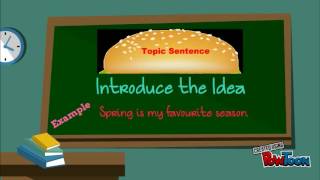
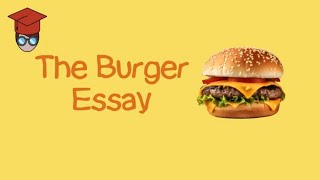
Hamburger Writing treats each paragraph like a burger. The top bun is the topic sentence, the fillings are supporting details, and the bottom bun is the concluding sentence. This structure keeps ideas organized, ensures every paragraph has a purpose, and makes revision easier.
The Three Core Layers
- Top Bun – Topic Sentence: Introduces the main idea and signals to the reader what the paragraph will discuss.
- Fillings – Evidence and Analysis: Provide facts, quotes, examples, or explanations that back up the topic sentence.
- Bottom Bun – Concluding Sentence: Restates the main point in new words and links the paragraph to the next idea.
Applying Hamburger Writing to Full Essays
Our ESL teacher Emily Grenz is telling us how to make a strong essay, thinking in the essay like a series of mini‑burgers stacked together. Each paragraph follows the bun‑filling‑bun pattern, while the overall essay has its own “top bun” (introduction) and “bottom bun” (conclusion).
- Introduction (the big top bun) – Hook the reader, present the thesis, and preview the main points.
- Body Paragraphs (individual burgers) – Use the hamburger structure for each paragraph to develop the thesis.
- Conclusion (the big bottom bun) – Summarize the argument, restate the thesis, and offer a final thought.
Step‑by‑Step Guide to Building a Hamburger Paragraph
- Identify the main idea you want to convey.