How Do I Know If My Rear Sway Bar Links Are Bad?
If you’ve ever heard knocking, clunking, thumping, or banging sounds coming from the rear of your vehicle, the culprit may be a bad sway bar link. The rear sway bar (also called a stabilizer bar) helps keep your car level during cornering, and its links are the small but critical connectors that transfer forces between the bar and the suspension. When those links wear out, handling deteriorates and noisy symptoms appear. This article explains the role of the rear sway bar link, outlines the five most common symptoms of a failing link, and shows you how to inspect it safely.
What Is a Rear Sway Bar Link?
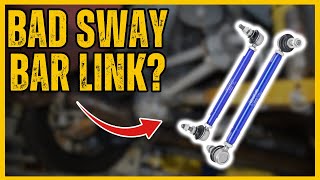
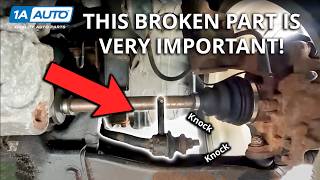
The rear sway bar is a torsion spring mounted across the rear axle. It resists body roll by twisting in the opposite direction of the vehicle’s lean. Your sway bar link (sometimes called a stabilizer bar link) is a short rod with bushings at each end that connects the bar to the suspension’s control arm. Because the link pivots as the bar twists, it endures constant stress and exposure to road debris, moisture, and temperature changes. Over time the bushings can degrade, the metal can corrode, or the pivot points can loosen, leading to the classic noises described above.
5 Symptoms of a Bad Rear Sway Bar Link
- Knocking, clunking, or thumping noises when turning or going over bumps. These sounds are often louder when the vehicle is loaded or when cornering sharply.
- Excessive body roll in corners. If the rear feels “loose” or the car leans more than usual, the stabilizer bar link may no longer be transmitting the bar’s corrective force.
- Uneven tire wear on the rear tires. A compromised link can cause the suspension to misalign slightly, leading to feathered or cupped tread patterns.
- Vibration through the seat or floor during acceleration or braking. The link’s loosened bushings allow the bar to move erratically, sending vibrations into the chassis.
- Visible wear or damage on the link itself. Cracked rubber boots, rusted metal, or loosened bolts are clear visual cues that the link needs attention.
Checking a Rear Sway Bar Link – Step‑by‑Step Guide
- Lift the rear of the vehicle. Securely jack up the rear axle and place