How Does A Rear Sway Bar Affect Handling?
When you’re looking for ways to tighten up a car’s cornering performance, the rear sway bar (also called a rear anti‑roll bar) often appears on the list of upgrades. But what exactly does it do, and how does it influence handling? This article breaks down the mechanics, the benefits, and the trade‑offs so you can decide whether a rear sway bar is right for your vehicle.
What Is a Rear Sway Bar?
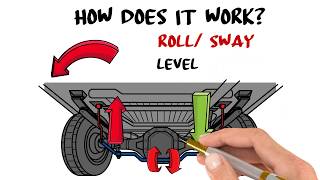
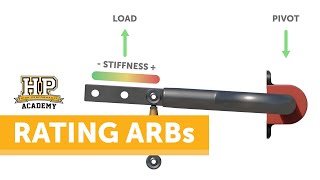
A rear sway bar is a metal rod that connects the left and right sides of the rear suspension. It works by twisting when one wheel moves up and the other moves down, resisting body roll. In simple terms, the bar forces the rear wheels to stay more level relative to each other, limiting the amount the chassis leans during cornering.
Why Body Roll Matters
Body roll—sometimes described as the car “leaning over” in corners—is a natural result of weight transfer. As a vehicle turns, weight shifts from the inside wheels to the outside wheels, causing the body to tilt. Excessive roll can:
- Reduce tire contact patch on the outside wheel, lowering grip.
- Make steering feel vague, especially in lightweight or rear‑engine cars.
- Increase driver fatigue on long, twisty roads.
In a recent test, a Miata still suffered from quite a bit of body roll, despite its light chassis. When this happens, the car’s weight transfers largely to the outer rear tire, which can lead to understeer and a less confident corner‑entry.
How a Rear Sway Bar Changes Weight Transfer
When a rear sway bar is installed, the bar’s torsional stiffness resists the rear suspension’s independent movement. The result is a more even distribution of weight across the rear axle:
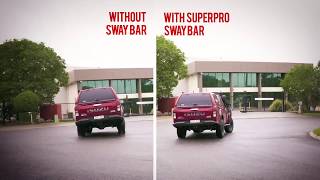
- Reduced rear roll angle: The bar limits how much the rear can tilt, keeping the car flatter.
- Increased rear grip: With the outside rear tire staying more planted, it can generate more lateral force.
- Shifted handling balance: By stiffening the rear, the front tires now carry a larger portion of the lateral load, often producing a more neutral or slightly oversteering feel.
In short, a rear sway bar helps the vehicle stay level, which can translate into sharper, more predictable handling.
When to Add a Rear Sway Bar
Not every car benefits equally from a rear anti‑roll bar. Consider the following scenarios:
- Rear‑heavy platforms (e.g., SUVs, trucks, or cars with large rear engines) often experience pronounced roll and may benefit from a rear bar to tighten the rear end.
- Performance‑focused builds where the goal is a balanced chassis, especially when the front bar is already upgraded.
- Off‑road or 4×4 vehicles that need to maintain traction on uneven terrain; a well‑tuned rear bar can improve stability without sacrificing articulation.
For example, Fulcrum Suspensions offers a SuperPro rear sway bar for 4×4 applications (fulcrumsuspensions.com.au