How Long Do You Need In Cordoba? A Practical 2‑Day Guide
Located in the heart of Andalusia, Córdoba is a city where Roman arches, Moorish palaces, and vibrant tapas bars sit side by side. Its compact historic centre makes it possible to explore the highlights in a short stay, yet the depth of its culture invites a slower pace. If you’re wondering how long you need in Córdoba, the answer is clear: two full days allow you to see the major sights, wander the hidden corners, and taste the local cuisine without feeling rushed.
Why Two Days Work Perfectly
- Compact layout – Most of the UNESCO‑listed monuments are within walking distance of each other.
- Balanced itinerary – One day can focus on the iconic landmarks, while the second day lets you discover quieter neighborhoods and local experiences.
- Time for food – Córdoba’s culinary scene deserves at least a couple of meals, from a traditional salmorejo lunch to an evening tapas crawl.
With this structure you’ll leave the city feeling satisfied, not exhausted, and you’ll have enough flexibility to adjust for opening hours or a spontaneous detour.
Day 1: The Historic Heart of Córdoba
Start early to beat the crowds and make the most of the morning light.
- Mezquita‑Cathedral – The crown jewel of the city. Its forest of red‑and‑white arches and the Christian cathedral nave inside illustrate centuries of cultural exchange. Arrive at opening (8:30 am) and allocate about 90 minutes for a thorough visit. Tickets are roughly €10.
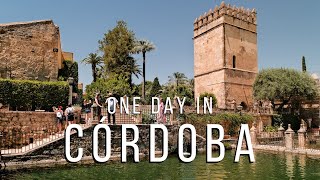
- Alcázar de los Reyes Cristianos – A short walk from the Mezquita, this 14th‑century fortress offers beautiful gardens, Roman mosaics, and panoramic views from its towers. Plan 60 minutes here; entry is about €4.50.
- Jewish Quarter (Judería) – Meander through narrow lanes, stop at the historic Sinagoga (one of Spain’s oldest synagogues) and the Casa de Sefarad museum. The area is perfect for a coffee break in a courtyard café.
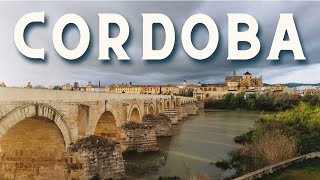
- Puente Romano & Calahorra Tower – Cross the Roman bridge at sunset for a photo‑friendly view of the Guadalquivir River and the illuminated Mezquita.
For lunch, try a local tavern in the Judería and order salmorejo (a thick tomato soup) topped with jamón and boiled egg – a classic Cordoban dish.
Day 2: Beyond the Main Sights
The second day lets you explore the city’s quieter charms and surrounding attractions.
- Patios of Córdoba – If you’re visiting in May, the Patios Festival showcases private courtyards bursting with flowers. Outside festival dates, many patios are still open to visitors; a guided walking tour costs around €8.
- Medina Azahara – A short bus ride (≈30 minutes) takes you to the ruins of the 10th‑century caliphal palace. The site offers a glimpse into the grandeur of the Umayyad empire. Allocate 2 hours for the visit and audio guide (€5).
- Plaza de la Corredera – Return to the city centre for a relaxed afternoon. This rectangular square, lined with arcades, is ideal for people‑watching and sampling tapas at a terrace bar.
- Viana Palace – End the day at this elegant 14th‑century mansion, famous for its twelve courtyards and a small museum of Cordoban art. Admission is €3 and the visit takes about 45 minutes.
For dinner, head to the Rambla de los Niños area, where you’ll find a mix of traditional taverns and modern restaurants. Pair your meal with a glass of Montilla‑Moriles wine, a local specialty.
Practical Tips for a Smooth Stay
- Transport – Córdoba’s historic centre is pedestrian‑friendly. Use the city bus or a short taxi ride for out‑of‑town sites like Medina Azahara.
- Tourist Card – The Córdoba Tourist Card provides free or discounted entry to major attractions and includes a hop‑on‑hop‑off bus pass. It’s a cost‑effective option for a two‑day itinerary.
- Timing – Most monuments open at 8:30 am and close by 7:00 pm (later in summer). Check individual hours before you go, especially during holidays.
- Stay Hydrated – Summer temperatures can exceed 35 °C. Carry a water bottle and wear a hat when walking the sun‑exposed streets.
Where to Eat and Drink
Food is an essential part of the Cordoban experience. Here are a few reliable choices:
- Bodegas Campos – Classic Andalusian décor, excellent rabo de toro (oxtail stew).
- Taberna Salinas – Small, family‑run spot known for its flamenquín (rolled pork).
- Café de la Palma – Ideal for a mid‑morning coffee and a pastel de gloria.
Map and Further Reading
For a detailed route map and additional suggestions, consult the written guide at ourtravelplace.co.uk/seville-to-cordoba. The guide includes printable maps, opening‑hour tables, and insider tips that complement the itinerary above.
Support the Creator
If you found this guide useful, consider saying thanks by buying a coffee for the author at buymeacoffee.com/tonygalvez. Your support helps keep travel content free and up‑to‑date.
Conclusion
In summary, two days is the sweet spot for experiencing Córdoba’s iconic monuments, charming neighborhoods, and flavorful cuisine. The first day covers the UNESCO‑listed core, while the second day adds depth with patios, the Medina Azahara ruins, and local eateries. Follow the practical tips, use the linked guide for navigation, and you’ll leave Córdoba with a genuine sense of its historic charm and modern vibrancy.