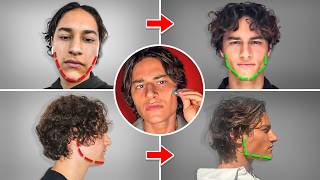
How To Debloat Your Face: A Practical Guide
Facial puffiness can make you look tired, older, and less confident. While genetics play a role, most people can reduce facial bloating by adjusting daily habits, nutrition, and simple skincare routines. Below is a step‑by‑step guide that combines science‑backed methods with easy‑to‑implement tips.
1. Understand What Causes Facial Bloat
Fluid retention, inflammation, and poor circulation are the three main drivers of a puffy face. Common triggers include:
- High sodium intake, which pulls water into tissues.
- Alcohol and caffeine, both of which dehydrate cells and cause the body to hold onto extra fluid.
- Sleep deprivation, which raises cortisol levels and promotes swelling.
- Allergies or sinus congestion, which can cause localized swelling around the eyes and cheeks.
Identifying the primary cause for you will help you choose the most effective remedies.
2. Hydration: The First Line of Defense
Drinking enough water may sound simple, but it is essential for flushing excess sodium from your system. Aim for 2–3 liters of plain water each day, and consider adding a pinch of sea salt or a splash of lemon to improve electrolyte balance.
If you struggle to meet your water goal, try these tricks:
- Carry a reusable bottle and set reminders on your phone.
- Swap sugary drinks for infused water with cucumber, mint, or berries.
- Eat water‑rich foods such as watermelon, cucumber, and celery.
3. Adjust Your Diet
Nutrition directly influences fluid balance. Incorporate the following foods and habits:
- Low‑sodium meals: Choose fresh vegetables, lean proteins, and whole grains over processed snacks.
- Potassium‑rich options: Bananas, avocados, and sweet potatoes help counteract sodium‑induced swelling.
- Anti‑inflammatory ingredients: Turmeric, ginger, and omega‑3 fatty acids reduce overall inflammation that can contribute to facial puffiness.
- Avoid excess sugar: High glucose spikes trigger insulin, which can promote fluid retention.
For a personalized plan, consider a professional facial analysis. Services like Qoves provide step‑by‑step recommendations based on your skin type and lifestyle.
4. Optimize Your Sleep Routine
Quality sleep supports lymphatic drainage and hormone regulation. Follow these sleep‑friendly habits:
- Maintain a consistent bedtime, aiming for 7–9 hours of rest.
- Elevate your head with an extra pillow to prevent fluid from pooling in the face.
- Limit screen exposure at least 30 minutes before bed to reduce cortisol spikes.
5. Targeted Skincare for Immediate Relief
Topical products can temporarily tighten skin and improve circulation. Look for ingredients such as:
- Caffeine – a vasoconstr