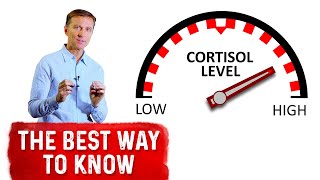
How To Fight Cortisol: 7 Natural Strategies Backed by Science
Cortisol, often called the “stress hormone,” plays a vital role in the body’s response to physical and emotional stress. While short‑term spikes are normal, chronic elevation can affect sleep, mood, immune function, and metabolism. Reducing excess cortisol doesn’t require medication; lifestyle adjustments, nutrition, and mindful habits can restore balance. Below are seven evidence‑based tactics to help you keep cortisol in check, followed by practical tips you can start using today.
1. Prioritize Quality Sleep
Sleep deprivation is one of the strongest drivers of cortisol production. Aim for 7‑9 hours of uninterrupted rest each night. Create a wind‑down routine: dim lights, limit screens, and keep the bedroom cool (around 65 °F). A consistent bedtime and wake‑time schedule reinforces your circadian rhythm, which naturally lowers nighttime cortisol levels.
2. Incorporate Regular, Moderate Exercise
Physical activity supports hormone balance, but the intensity matters. Moderate aerobic workouts—such as brisk walking, cycling, or swimming—for 30‑45 minutes most days can reduce cortisol without triggering a stress response. Resistance training is also beneficial; just avoid very high‑intensity sessions late in the evening, as they may temporarily raise cortisol.
3. Use Mind‑Body Techniques
Practices that activate the parasympathetic nervous system directly lower cortisol. Consider one or more of the following:
- Deep breathing: Inhale for four counts, hold for four, exhale for six. Repeat for five minutes.
- Progressive muscle relaxation: Tense each muscle group for five seconds, then release.
- Meditation or guided imagery: Even a five‑minute session can reduce stress hormones.
4. Optimize Nutrition to Stabilize Blood Sugar
Fluctuating glucose levels stimulate cortisol release. A balanced diet with protein, healthy fats, and fiber helps maintain steady blood sugar. Include these three foods that naturally support cortisol regulation:
- Fatty fish: Salmon, mackerel, and sardines provide omega‑3 fatty acids that modulate inflammation and stress response.
- Leafy greens: Spinach and kale are rich in magnesium, a mineral linked to lower cortisol.
- Fermented foods: Yogurt, kimchi, and kefir promote gut health, which influences the hypothalamic‑pituitary‑adrenal (HPA) axis.
5. Stay Hydrated with Electrolyte Balance
Dehydration can elevate cortisol, especially during intense workouts