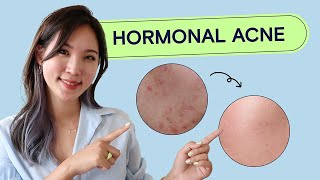
How To Fight Hormonal Acne
Hormonal acne can be a frustrating and persistent skin issue. Whether it appears as stubborn breakouts around the jawline, chin, or lower cheeks, it often follows hormonal fluctuations such as those that occur during puberty, menstrual cycles, pregnancy, or stress. This article offers practical, evidence‑based strategies to help you manage and reduce hormonal acne.
What Is Hormonal Acne?
Hormonal acne differs from the typical teenage acne that is usually caused by excess oil production and clogged pores. In hormonal acne, the skin’s response to hormonal changes—especially androgens like testosterone—triggers an overproduction of sebum and inflammation. The result is papules, pustules, and sometimes cystic lesions that can be painful and slow to heal.
Key points to understand:
- Timing matters: Breakouts often coincide with the menstrual cycle, typically appearing 5–10 days before menstruation.
- It’s not just the face: Hormonal acne can also affect the chest, back, and shoulders.
- Underlying causes: Polycystic ovary syndrome (PCOS), thyroid disorders, and even certain medications can contribute.
Common Triggers of Hormonal Acne
Identifying triggers is the first step in prevention. Here are some frequent culprits:
- Dietary factors—especially high glycemic foods and dairy.
- Stress—elevated cortisol can increase sebum production.
- Sleep deprivation—poor sleep disrupts hormone balance.
- Medications—such as certain contraceptives or steroids.
Keeping a simple log of your meals, stress levels, and breakouts can reveal patterns that help you tailor your routine.
Lifestyle Changes That Help
1. Nutrition
Adopting a balanced diet can reduce inflammation and stabilize insulin levels. Consider:
- Low glycemic index foods—whole grains, legumes, and leafy greens.
- Omega‑3 fatty acids—found in fatty fish, chia seeds, and walnuts.
- Hydration—aim for at least 8 glasses of water per day.
2. Stress Management
Chronic stress triggers hormonal shifts that worsen acne. Techniques such as mindfulness, yoga, or short walks can lower cortisol. Even a 10‑minute breathing exercise can make a difference.
3. Sleep Hygiene
Try to maintain a consistent sleep schedule, aiming for 7–9 hours nightly. A dark, cool bedroom and limiting screen time before bed