How To Improve Colour Vision: Practical Strategies and Scientific Insights
Colour vision varies widely among individuals. While most people see a full spectrum of hues, a significant portion of the population experiences colour deficiencies, commonly known as colour blindness. Although a complete cure is not yet universally available, research and clinical practice offer several ways to enhance colour perception and compensate for deficits. This article outlines evidence‑based methods, lifestyle adjustments, and emerging technologies that can help you improve your colour vision.
Understanding Colour Vision and Its Limitations
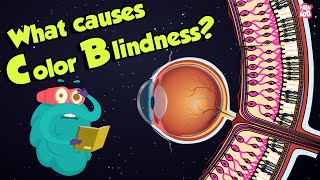
Colour vision relies on three types of cone cells in the retina—each sensitive to short (blue), medium (green), or long (red) wavelengths. When one or more cone types are missing or functionally impaired, the brain receives altered signals, leading to difficulties distinguishing certain colours. The most common forms are:
- Protanomaly/Protanopia – reduced or absent sensitivity to red wavelengths.
- Deuteranomaly/Deuteranopia – reduced or absent sensitivity to green wavelengths.
- Tritanomaly/Tritanopia – rare deficiencies affecting blue perception.
These conditions are usually genetic, but they can also result from eye disease, medication, or aging. Knowing the specific type of deficiency is essential for selecting the most effective improvement strategies.
Diagnostic Tools: Knowing Your Baseline
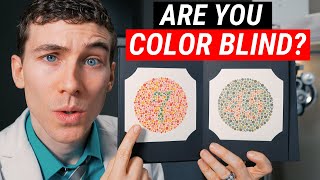
Before attempting to improve colour vision, obtain an accurate assessment. The Ishihara test—a series of coloured dot plates—remains the most widely used screening tool. While some individuals can “beat” the test through pattern recognition, it still provides valuable information about the severity of the deficiency. For a more detailed analysis, consider a Cambridge Colour Test or a computerized colour‑contrast sensitivity test administered by an optometrist.
Nutrition: Feeding the Eyes
Several nutrients support retinal health and may enhance colour discrimination:
- Lutein and Zeaxanthin – carotenoids concentrated in the macula that filter harmful blue light and improve visual acuity. Sources include kale, spinach, and egg yolks.
- Vitamin A – essential for photoreceptor function. Found in carrots, sweet potatoes, and liver.
- Omega‑3 Fatty Acids – support retinal cell membranes. Fatty fish such as salmon and sardines are rich sources.
- Zinc – aids in the metabolism of vitamin A. Include beans, nuts, and whole grains in your diet.
While nutrition alone cannot correct a genetic deficiency, a balanced diet can optimise overall visual performance and may slightly improve colour discrimination, especially in age‑related cases.
Vision Therapy and Eye Exercises
Targeted visual training can help the brain better interpret colour signals. Programs typically involve:
- Identifying coloured objects against varying backgrounds.
- Matching hues using digital apps that gradually increase difficulty.
- Practising colour‑naming tasks while wearing tinted lenses (see next section).
Consistent practice—about 10–15 minutes daily—has been shown in small studies to improve colour‑identification speed and accuracy for mild to moderate deficiencies. Although results vary, many users report increased confidence in everyday tasks such as selecting clothing or reading colour‑coded information.
Assistive Lenses and Filters
Specialised optical devices are among the most immediate ways to boost colour perception:
1. Colour‑Enhancing Glasses
Brands such as EnChroma and Pilestone produce glasses with selective spectral filters that amplify the contrast between problematic hues. Clinical trials indicate that up to 30 % of wearers experience noticeable improvement in distinguishing reds and greens, though the effect may diminish after prolonged use.
2. Contact Lenses with Embedded Filters
Research labs are developing soft contact lenses that incorporate micro‑filters directly into the lens material. Early prototypes show promise for continuous colour enhancement without the aesthetic concerns of glasses.
3. Custom Tinted Lenses
An optometrist can prescribe lenses tinted to the specific deficiency identified in your test. For example, a yellow‑tinted lens can boost red‑green contrast for protanopia, while a blue‑tinted lens may aid tritanopia.
Emerging Technologies: Gene Therapy and Digital Solutions
Advances in genetics have opened the possibility of addressing colour blindness at its source. In 2020, researchers demonstrated that a viral vector delivering a functional copy of the missing photopigment gene restored colour discrimination in a mouse model. Human trials are ongoing, and while a definitive cure is not yet available, the science suggests a potential future breakthrough.
In the meantime, digital tools provide practical assistance:
- Colour‑Blindness Apps – smartphone applications that overlay a real‑time filter on the camera view, translating problematic hues into distinguishable shades.
- Software Adjustments – operating systems now include colour‑blind modes that modify UI palettes for better visibility.
- Wearable Devices – smart glasses equipped with AI‑driven colour augmentation can dynamically adjust the spectrum based on the environment.
Environmental Adjustments
Simple changes to lighting and surroundings can dramatically improve colour perception:
- Use Neutral White Light – incandescent or warm LED lighting can distort colours. Opt for daylight‑balanced (5000–6500 K) LED bulbs.
- Increase Contrast – pairing colours with high‑contrast backgrounds (e.g., black text on a white button) reduces reliance on hue differentiation.
- Label Items – adding tactile or textual labels to colour‑coded objects (e.g., medication bottles) eliminates ambiguity.
Professional Guidance and Ongoing Monitoring
Improving colour vision is a personalised journey. Schedule an appointment with an optometrist or ophthalmologist who specialises in colour deficiencies. They can:
- Conduct comprehensive testing to pinpoint your specific condition.
- Recommend appropriate lenses, supplements, or vision‑therapy programs.
- Monitor progress and adjust strategies as needed.
Regular follow‑up ensures that any underlying eye health issues—such as cataracts or macular degeneration—are addressed promptly, as these can further impair colour perception.
Key Takeaways
While a universal cure for colour blindness remains under development, a combination of accurate diagnosis, nutritional support, targeted visual training, assistive lenses, and environmental tweaks can substantially improve colour discrimination for many individuals. Stay informed about emerging gene‑therapy research, and consider integrating digital aids into daily life for immediate assistance.
For those interested in deeper scientific discussions, Greg Foot’s recent video explores the limits of curing colour blindness and offers practical tips for everyday challenges. Subscribe to his channel for ongoing updates on vision science.