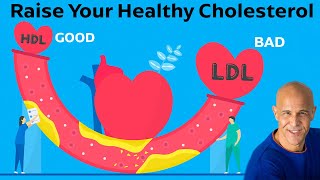
How To Improve HDL Cholesterol: Practical Steps for Better Heart Health
High‑density lipoprotein (HDL) is often called the “good” cholesterol because it helps remove excess low‑density lipoprotein (LDL) from the bloodstream. Low HDL cholesterol levels are one of the most common lipid abnormalities and a strong indicator of metabolic health. If you’re wondering how to increase your good cholesterol, this guide outlines evidence‑based strategies that can raise HDL and support overall cardiovascular wellness.
Understand the Role of HDL
HDL acts as a scavenger, transporting cholesterol from the walls of arteries back to the liver for excretion. Higher HDL levels are associated with a reduced risk of heart disease, while low HDL is linked to higher triglycerides and a greater chance of plaque buildup. Because HDL reflects the body’s ability to clear cholesterol, improving it can be a key marker of metabolic health.
Adopt Heart‑Healthy Eating Patterns
Diet is one of the most powerful tools for raising HDL. Focus on foods that contain healthy fats, fiber, and antioxidants. The following choices have been shown to support HDL production:
- Olive oil and avocado: These monounsaturated fats increase HDL while reducing LDL.
- Fatty fish: Salmon, mackerel, and sardines provide omega‑3 fatty acids that boost HDL and lower triglycerides.
- Nuts and seeds: Almonds, walnuts, and flaxseeds deliver polyunsaturated fats and fiber.
- Whole grains: Oats, barley, and brown rice supply soluble fiber that helps improve cholesterol balance.
- Fruits and vegetables: Berries, apples, and leafy greens contain antioxidants that protect HDL particles.
In addition, limit refined carbohydrates, sugary beverages, and trans fats, as these can lower HDL and raise triglycerides.
Increase Physical Activity
Regular aerobic exercise is a proven method for raising HDL. Aim for at least 150 minutes of moderate‑intensity activity or 75 minutes of vigorous activity each week. Activities such as brisk walking, cycling, swimming, or jogging can increase HDL by 5–10 % when performed consistently. Adding resistance training two to three times per week further enhances lipid profiles by supporting muscle mass and insulin sensitivity.
Manage Body Weight
Even modest weight loss can have a positive impact on HDL. Studies show that a 5–10 % reduction in body weight can raise HDL levels while decreasing triglycerides. Combining a balanced diet with regular exercise creates a calorie deficit that promotes fat loss, especially around the abdomen, where excess fat is closely linked to low HDL.
Address Lifestyle Factors: Smoking and Alcohol
Smoking reduces HDL by up to 20 % and damages blood vessels. Quitting smoking is one of the most effective ways to improve HDL and overall cardiovascular health. If you drink alcohol, moderate consumption—up to one drink per day for women and up to two for men