How To Improve Reaction Time for GCSE PE
Reaction time is a key component of many physical education (PE) activities, from sprint starts to team sport drills. Improving this skill not only boosts performance in the classroom exam but also helps students feel more confident on the field. Below is a step‑by‑step guide that combines scientific insight, practical exercises, and free online resources.
What Is Reaction Time?
Reaction time is the interval between a stimulus (such as a whistle, a flash of light, or a moving ball) and the moment a learner initiates a response. It is measured in milliseconds and is influenced by three main factors:
- Perception: How quickly the brain registers the stimulus.
- Processing: How fast the brain interprets the information.
- Motor response: How swiftly the muscles execute the action.
Understanding these stages helps students target the right training methods.
Why Reaction Time Matters in GCSE PE
GCSE PE assessments often include practical tasks such as:
- Responding to a starter pistol in a sprint.
- Changing direction after a visual cue in an agility drill.
- Intercepting a pass in a team sport scenario.
Higher reaction speed can lead to better scores, especially in timed events and skill‑based stations. Moreover, examiners look for evidence of “controlled and purposeful movement,” a description that aligns closely with quick, accurate responses.
Eye / Brain Training Exercises Designed to Boost Reflexes
Research shows that simple eye‑brain drills can sharpen the perception and processing stages of reaction time. Below are three classroom‑friendly activities:
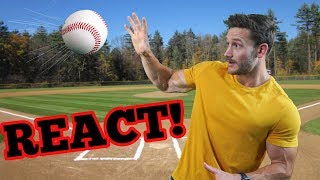
- Ball Drop Test: A partner releases a ball without warning; the student catches it as fast as possible. Repeat 10 times and note improvements.
- Light‑Signal Sprint: Use a flashlight or a phone screen that flashes red then green. Students start sprinting only when the green appears. Vary the interval to prevent anticipation.
- Mirror Drills: Pair students face‑to‑face. One leads with random arm or leg movements, the other mirrors them instantly. This enhances visual tracking and motor response.
These drills are quick to set up and can be incorporated into any PE lesson.
Testing Your Reaction Time – Tips from Mr Wakeford
Mr Wakeford, a seasoned GCSE PE teacher, recommends using a stopwatch or a