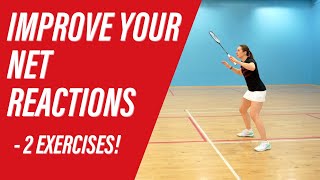
How To Improve Reaction Time In Badminton: A Practical Guide
Reaction time is the silent engine behind every lightning‑fast rally. Whether you are a club player or an aspiring national competitor, improving reaction time in badminton can turn defensive scrambles into offensive opportunities. This article breaks down the science, shares proven drills, and points you to a video that demonstrates each step.
Understanding Reaction Time in Badminton
Reaction time is the interval between perceiving a shuttle’s trajectory and initiating the appropriate movement. It consists of three components:
- Stimulus detection – the eyes spot the shuttle and send information to the brain.
- Decision making – the brain selects the correct stroke or footwork pattern.
- Motor execution – muscles respond to the brain’s command.
Because badminton is played at high speeds, even a 0.1‑second improvement can mean the difference between a winning smash and a missed return.
Key Factors That Influence Speed
Several variables affect how quickly you react on court:
- Visual acuity: Clear, focused vision allows you to track the shuttle from the moment it leaves the racket.
- Neuromuscular coordination: Efficient communication between nerves and muscles reduces lag.
- Footwork efficiency: The closer you are to the shuttle, the less distance your body must travel.
- Anticipation skills: Recognizing patterns in your opponent’s play shortens the decision‑making phase.
Eye and Brain Training Exercises Designed To Sharpen Reaction
Targeted eye/brain training can enhance stimulus detection and decision making. Here are two simple exercises that fit into any warm‑up routine:
- Balloon Tracking: Inflate a lightweight balloon and tap it gently with a racket while it drifts across the court. The unpredictable path forces the eyes to follow rapidly, while the brain learns to issue quick motor commands.
- Colour‑Cue Drill: Place coloured cones at the four corners of the court. A partner calls out a colour, and you must sprint to the corresponding cone and return to the centre. This drill trains visual discrimination and rapid directional changes.
BadmintonInsight shares two simple exercises that can be combined with these visual drills for a comprehensive routine.
Two Simple Drills From BadmintonInsight
1. Shadow Footwork with Mirror Feedback
Set up a full‑length mirror or use a reflective surface on one side of the