Introduction to Improving Reaction Time in Sports
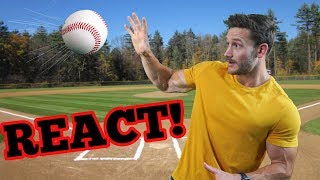
Reaction time is a crucial aspect of athletic performance, as it can be the difference between winning and losing. In many sports, such as football, basketball, and tennis, quick reflexes and fast reaction times can give athletes a significant advantage over their opponents. This article will provide an overview of how to improve reaction time in sports, including exercises and training methods that can help athletes enhance their performance.
Understanding Reaction Time
Reaction time refers to the time it takes for an athlete to respond to a stimulus, such as a visual or auditory cue. It involves the coordination of the brain, nerves, and muscles to produce a rapid response. In sports, reaction time can be the difference between making a game-winning play or missing an opportunity. For example, in football, a player with fast reaction time can quickly respond to a quarterback's throw and make a tackle, while a player with slow reaction time may be left behind.
Training Methods to Improve Reaction Time
There are several training methods that can help improve reaction time in sports. These include:
- Eye/Brain Training Exercises: These exercises are designed to improve the connection between the eyes and brain, allowing for faster processing of visual information. Examples include tracking objects, identifying patterns, and reacting to visual cues.
- Plyometric Exercises: Plyometric exercises, such as jump squats and box jumps, can help improve reaction time by training the muscles to respond quickly to stimuli.
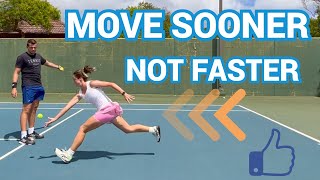
- Agility Drills: Agility drills, such as cone drills and ladder drills, can help improve reaction time by training athletes to quickly change direction and respond to visual cues.
Implementing Reaction Time Training into Your Workout Routine
To improve reaction time, athletes should incorporate reaction time training into their workout routine. This can be done by setting aside specific times to focus on reaction time exercises, such as during warm-ups or cool-downs. Athletes can also incorporate reaction time training into their strength and conditioning workouts, such as by adding plyometric exercises or agility drills to their routine.
Additional Tips to Improve Reaction Time
In addition to incorporating reaction time training into your workout routine, there are several other tips that can help improve reaction time. These include:
- Get Enough Sleep: Sleep is essential for physical recovery and can help improve reaction time. Athletes should aim to get at least 7-9 hours of sleep per night.
- Stay Hydrated: Dehydration can impair reaction time, so athletes should make sure to drink plenty of water throughout the day.
- Focus on Nutrition: A healthy diet that includes plenty of fruits, vegetables, and whole grains can help support physical performance and improve reaction time.
Measuring Reaction Time
There are several ways to measure reaction time, including:
- Reaction Time Tests: These tests involve responding to a visual or auditory cue, such as a light or sound, and measuring the time it takes to react.
- 100m Dash: The 100m dash is a common way to measure speed and reaction time, as it requires athletes to quickly respond to the starting gun and sprint to the finish line.
Conclusion
Improving reaction time in sports requires a combination of training, practice, and dedication. By incorporating reaction time training into your workout routine, getting enough sleep, staying hydrated, and focusing on nutrition, athletes can improve their reaction time and gain a competitive edge. Whether you're a professional athlete or just starting out, improving reaction time can help you perform at your best and achieve your goals. For more information on how to improve your athletic performance, Click Here to Subscribe to our channel and check out our Summer Kickoff Sale