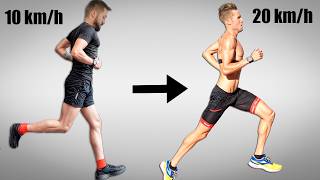
How To Improve Running Speed: A Practical Guide for All Levels
Whether you have just started your running journey or you are a seasoned athlete, the desire to run faster is universal. Nothing beats the feeling of slicing through the air, hitting a new personal record, and knowing you are getting stronger with each stride. This article outlines evidence‑based strategies to increase your speed while minimizing injury risk, and it points you toward a FREE 7‑Week Training Program to Run Faster with Less Effort that can accelerate your progress.
Understand the Foundations of Speed
Speed is not a mysterious talent; it is the product of three core components: cardiovascular efficiency, muscular power, and running technique. Improving any one of these areas without the others will yield limited gains. Begin by assessing your current fitness level, noting your typical weekly mileage, and identifying any recurring aches. This baseline will help you track progress and adjust the training load responsibly.
Build a Strong Aerobic Base
A solid aerobic foundation supports faster running by allowing you to maintain higher intensities for longer periods. Follow these steps to develop endurance without overtraining:
- Consistent Easy Runs: Aim for 2–3 sessions per week at a conversational pace (≈60–70% of max heart rate). These runs improve capillary density and mitochondrial function.
- Gradual Mileage Increases: Add no more than 10% to your weekly total each week. This rule helps prevent overuse injuries.
- Include One Long Run: Extend your longest run by 5–10 minutes every two weeks to boost stamina.
Even beginners can benefit from this structure. If you’re looking for a guided plan, consider the FREE 7‑Week Training Program to Run Faster with Less Effort that balances easy runs with speed work.
Incorporate Targeted Speed Work
Speed work trains the body to handle higher oxygen demands and improves neuromuscular coordination. Insert these sessions once or twice a week, ensuring a full recovery day before and after each:
- Interval Training: 400‑meter repeats at 5K race pace with equal‑time recovery. Example: 6 × 400 m fast, 400 m jog.
- Tempo Runs: 20–30 minutes at a “comfortably hard” pace (≈80–85% max heart rate). This effort raises lactate threshold, allowing you to sustain faster speeds.
- Fartlek Sessions: Unstructured speed play—run hard for 2 minutes, easy for 1 minute, repeat for 20–30