How To Improve Your VO2 Max
VO2 max is the gold‑standard metric for aerobic fitness. It measures the maximum amount of oxygen your body can use during intense exercise, expressed in milliliters per kilogram of body weight per minute (ml/kg/min). Raising your VO2 max not only boosts running speed and cycling power, but also supports heart health, weight management, and overall endurance.
What Is VO2 Max?
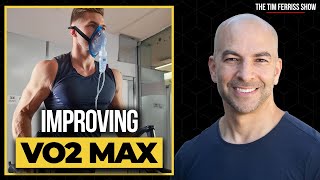
During a graded exercise test, a treadmill or bike progressively increases intensity while a mask measures oxygen consumption. The highest value reached before fatigue sets in is your VO2 max. Elite endurance athletes often record values above 70 ml/kg/min, while the average sedentary adult typically falls between 30 and 40 ml/kg/min.
Why It Matters
- Performance: A higher VO2 max allows you to sustain faster paces for longer periods.
- Health: Research links higher VO2 max levels to lower risk of cardiovascular disease and improved longevity.
- Everyday stamina: Tasks such as climbing stairs or carrying groceries feel easier when your aerobic engine is efficient.
Training Strategies to Boost VO2 Max
Scientific evidence supports several types of workouts that specifically target VO2 max improvements.
- High‑Intensity Interval Training (HIIT): Alternate short bursts of near‑maximal effort (30‑90 seconds) with equal or slightly longer recovery periods. Example: 5 × 3‑minute intervals at 90‑95 % of max heart rate with 3 minutes easy jogging between each.
- Tempo Runs: Maintain a “comfortably hard” pace—about 80‑85 % of max heart rate—for 20‑40 minutes. This steady effort raises lactate threshold and indirectly nudges VO2 max upward.
- Long Slow Distance (LSD) Sessions: Once a week, run or bike at 60‑70 % of max heart rate for 90 minutes or more. Endurance volume builds mitochondrial density, a key component of VO2 max.
- Hill Repeats: Sprint up a moderate incline for 60‑90 seconds, then recover downhill. The added resistance forces the cardiovascular system to work harder.