Why Reaction Time Matters on the Football Pitch
In football, the difference between a solid defender and a standout one often comes down to how quickly you can react to a ball, a teammate’s pass, or an opponent’s movement. A fast reaction time allows you to close gaps, intercept passes, and make decisive tackles before the opposition can set up their play. While natural reflexes play a role, they can be sharpened through targeted training.
Understanding Reaction Time in Football
Reaction time is the interval between the presentation of a stimulus and the initiation of a motor response. In football, stimuli include a ball’s trajectory, a teammate’s eye contact, or a defender’s change of direction. Improving this interval means you can respond more quickly and with greater accuracy during matches.
Video Resources That Break Down the Process
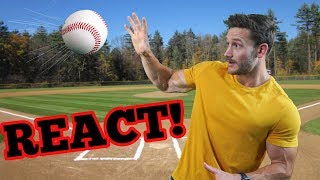
“This video breaks down exactly how to train your reaction time on the field.” The visual demonstration focuses on three key components: visual tracking, decision-making, and execution. Watching the video allows you to see the drills in action, understand the mechanics behind each movement, and replicate the exercises in your own training sessions.
What You’ll Learn From the Video
- Eye‑Tracking Drills – Techniques to improve your peripheral vision and focus.
- Brain‑Training Exercises – Cognitive tasks that enhance decision speed.
- On‑Field Application – How to integrate these drills into regular practice.
Eye and Brain Training Exercises Designed to Sharpen Reflexes
Developing your visual and cognitive responses is as important as physical conditioning. The following exercises are evidence‑based and can be practiced daily:
- Light‑Cue Drills – Use a flashlight or LED that flashes in random patterns while you stand in a small area. React by stepping to the light’s direction. This improves both reaction speed and directional accuracy.
- Target Switching – Place two cones at a short distance. A partner calls out a color or number associated with each cone. Respond by moving to the correct cone as quickly as possible. This simulates rapid decision‑making under pressure.
- Dual‑Task Coordination