How to Make Brown Basmati Rice: A Complete Guide
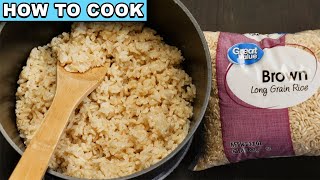
Brown basmati rice is prized for its fragrant aroma, nutty flavor, and firm yet tender texture. Because it retains the bran layer, it offers more fiber, vitamins, and minerals than white basmati, making it a nutritious staple for everyday meals. Whether you are preparing a simple side dish, a hearty pilaf, or a quick pressure‑cooker meal, mastering the basics will give you consistent, fluffy results every time.
Understanding Brown Basmati Rice
Brown basmati rice is a long‑grain variety cultivated in the foothills of the Himalayas. The grain’s natural oils give it a distinct aroma, while the intact bran layer provides a chewy bite and a higher nutritional profile. A typical serving (1 cup uncooked) supplies about 3 grams of fiber, manganese, selenium, and magnesium.
Why Choose Brown Basmati?
- High fiber content supports digestive health and helps maintain steady blood‑sugar levels.
- Low glycemic index compared with white rice, making it a better option for sustained energy.
- Rich in micronutrients such as magnesium, which contributes to muscle function and bone health.
Basic Stovetop Method
The stovetop remains the most reliable way to cook brown basmati rice. Follow these steps for perfect grains:
- Measure 1 cup of brown basmati rice and place it in a fine‑mesh strainer.
- Rinse under cold running water until the water runs clear. This removes excess starch and any dust.
- Transfer the rinsed rice to a medium saucepan. Add 1 ½ cups of water and a pinch of salt.
- Bring the mixture to a rolling boil over high heat.
- Once boiling, reduce the heat to low, cover tightly, and simmer for 15–20 minutes. Do not lift the lid during cooking.
- Turn off the heat and let the rice rest, still covered, for 5 minutes. This steam‑finish makes the grains fluffy.
- Fluff with a fork, taste, and adjust seasoning if needed.
For a subtle flavor boost, add a bay leaf, a few cardamom pods, or a splash of olive oil to the water before cooking.
Pressure‑Cooker Shortcut (15‑Minute Pulav)
If you need a faster solution, a pressure cooker can reduce cooking time dramatically. Chef Sanjeev Kapoor’s popular Daawat Brown Basmati Pulav demonstrates how quickly the grain can be ready.
- Rinse 1 cup of brown basmati rice as described above.
- Place the rice in the pressure cooker with 1 ½ cups of water, a pinch of salt, and optional aromatics (e.g., cumin seeds, a cinnamon stick).
- Seal the lid and bring to high pressure. Cook for 5–7 minutes (one whistle on most Indian‑style pressure cookers).
- Turn off the heat and allow the pressure to release naturally for 5 minutes, then quick‑release any remaining pressure.
- Open the cooker, fluff the rice, and stir in sautéed vegetables, toasted nuts, or a drizzle of ghee for a complete pulav.
Using a pressure cooker not only saves time but also preserves more of the rice’s natural nutrients.
Key Tips for Perfect Brown Basmati
- Water‑to‑rice ratio: Stick to 1 ½ cups water per cup of rice. Too much water yields mushy grains; too little leaves them undercooked.
- Rinse thoroughly: Removing surface starch prevents clumping and ensures each grain stays separate.
- Do not over‑cook: Brown basmati should be tender yet retain a slight chew. Overcooking makes it dry and hard to fluff.
- Use a tight‑fitting lid: Traps steam, which is essential for even cooking.
- Rest before serving: A short 5‑minute rest lets residual steam finish the cooking process.
Flavor Variations and Serving Ideas
Brown basmati rice is versatile. Below are a few easy ways to turn plain rice into a standout dish:
- Herb‑Infused Rice: Add chopped cilantro, mint, or parsley after cooking.
- Spiced Pulav: Sauté onions, garlic, ginger, and a blend of garam masala before adding the rice and water.
- Nutty Crunch: Stir in toasted almonds, cashews, or pumpkin seeds for texture.
- Veggie Bowl: Top the rice with roasted vegetables, a dollop of yogurt, and a drizzle of lemon‑tahini sauce.
- Sweet Treat: Cook the rice with coconut milk, a pinch of cardamom, and a handful of raisins for a simple dessert.
Common Mistakes to Avoid
- Skipping the rinse, which can lead to gummy rice.
- Using the wrong water ratio; always measure.
- Lifting the lid mid‑cook, which releases steam and disrupts the cooking temperature.
- Leaving the rice in the pot after it’s done without a brief rest; this can cause the grains to stick together.
Conclusion
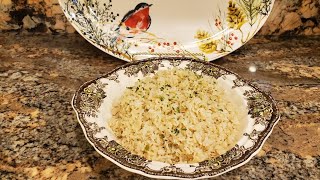
Brown basmati rice offers a wholesome, flavorful base for countless meals. By following the simple stovetop or pressure‑cooker methods outlined above, you can achieve fluffy, aromatic rice in as little as 15 minutes. Remember to rinse, respect the water ratio, and let the rice rest before fluffing. Once mastered, you’ll find endless ways to incorporate this nutritious grain into everyday cooking—from quick side dishes to elaborate pilafs and vibrant bowls.
Whether you tag your posts with #brownbasmatirice, #ruchikrandhap, or #pressurecookerrecipe, the confidence of perfectly cooked brown basmati will shine through every plate.